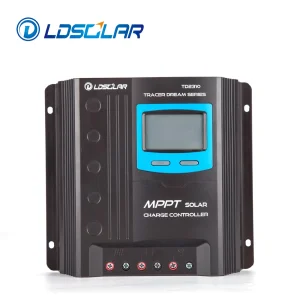
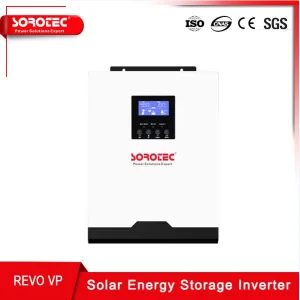
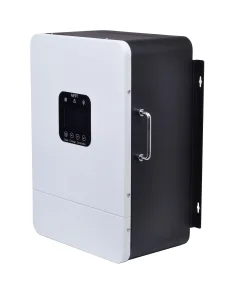
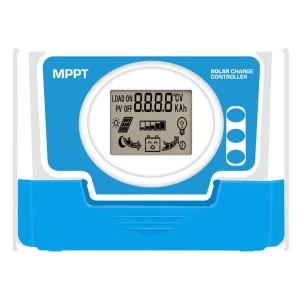
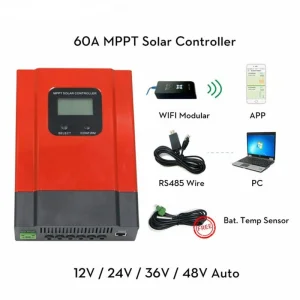
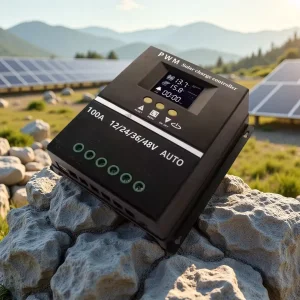
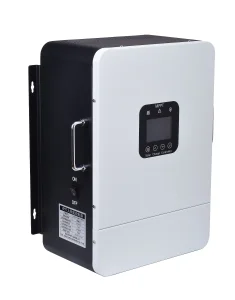
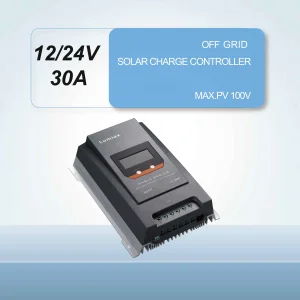
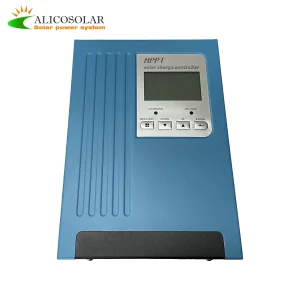
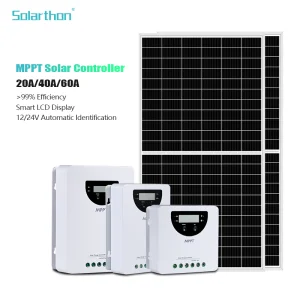
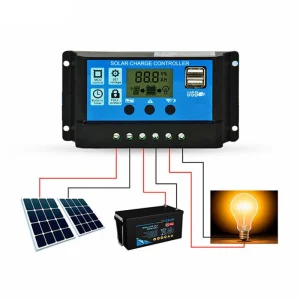
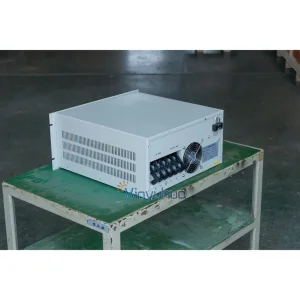
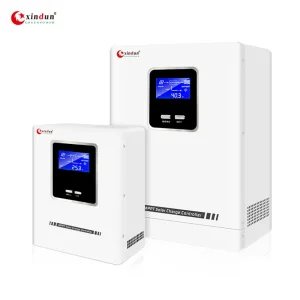
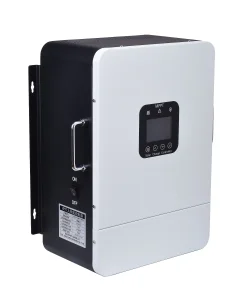
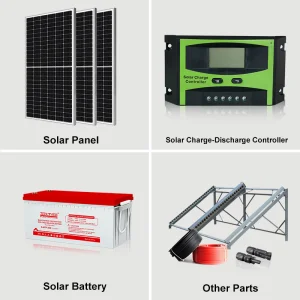
Premium PWM & MPPT designs engineered for rapid grid balancing, low ambient operation, and high-precision battery state-of-charge calculation.
Adapting solar technologies to Baltic solar radiation curves, harsh winters, and transitioning energy networks.
Latvia, situated in the Baltic region of Northern Europe, experiences distinct seasonal variations in solar irradiation. While summer months offer up to 17 hours of daylight with high generation peaks, winter months drastically compress solar harvesting windows to less than 6 hours per day. Consequently, off-grid and hybrid installations must operate at maximum efficiency during short sunny periods.
For industrial operators, telecom towers, and off-grid forestry infrastructure throughout regions like Kurzeme and Latgale, choosing the correct Solar Charge Controller (MPPT or PWM) is not merely a matter of component cost—it is a critical reliability decision. A high-efficiency MPPT (Maximum Power Point Tracking) regulator is vital during low-sun periods because it tracks the panel’s maximum power output continuously, capturing up to 30% more energy compared to basic PWM (Pulse Width Modulation) designs under heavy cloud cover.
Under Latvia's National Energy and Climate Plan, the country aims to significantly boost non-emission energy sources. Decentralized solar micro-generation systems are growing, requiring charge controllers capable of managing battery storage integration securely.
In Latvia's freezing winter temperatures, the open-circuit voltage ($V_{oc}$) of solar arrays increases significantly. Charge controllers must feature high input voltage tolerance (such as 100V, 150V, or 250V configurations) to prevent overvoltage failures during cold, clear mornings.
Furthermore, Latvian off-grid setups are transitioning rapidly toward Lithium Iron Phosphate (LiFePO4) storage chemistries to replace legacy lead-acid systems. Modern MPPT controllers with custom charging profiles, automatic temperature compensation, and communication capabilities (RS485, CAN bus, Modbus RTU protocols) are required to safeguard these advanced battery investments.
Selecting the optimal controller topology based on installation scale, cost constraints, and Baltic environment profiles.
| Feature Parameter | Pulse Width Modulation (PWM) | Maximum Power Point Tracking (MPPT) | Latvia Selection Guidance |
|---|---|---|---|
| Operating Principle | Acts as a direct switch connecting panels directly to the battery bank. | Acts as an indirect DC-to-DC converter that matches the panel's peak output. | MPPT is highly recommended for cold, high-latitude seasons where panel voltages peak. |
| Efficiency Rate | Typically 65% – 75% efficiency. | High efficiency ranging between 95% – 99%. | Choose MPPT to maximize output during limited winter daylight windows. |
| Array Flexibility | Panel nominal voltage must match the battery bank voltage (e.g., 12V to 12V). | Panel array voltage can be much higher than battery voltage (e.g., 150V panel to 12V battery). | MPPT allows thin-wire configurations, reducing installation cost over long Baltic cable runs. |
| Cost Profile | Low initial investment; simple construction. | Higher initial capital expense; advanced software algorithms. | PWM for summer houses/camps; MPPT for Year-Round off-grid cabins and industrial systems. |
| Battery Chemistry Support | Mainly Lead-Acid (AGM, Gel, Flooded). | Lithium, AGM, Gel, and customizable user settings. | Specify MPPT for modern Lithium (LiFePO4) installations in Riga/Jurmala regions. |
Our MPPT controllers sync parameters with battery-assisted smart grids, enabling localized microgrid balance and reducing dependence on Rigas Siltums or Sadales Tikls grid connections.
With high-humidity resistance and robust aluminum heat sinks, our regulators are built for remote, unmanned monitoring stations in the wet forests of Kurzeme.
Fully customizable charging sequences with specific bulk, absorption, float, and equalization stages designed to prolong battery cycles under deep temperature fluctuations.
Combining Chinese technological scale with Baltic local compliance and distribution networks.
As off-grid power solutions scale globally, the manufacturing location and efficiency of key components determine your bottom line. Chinese manufacturing hubs, specifically in Zhejiang and Guangdong, leverage complete supply chains to deliver controllers with high performance-to-cost ratios.
Our parent company, Hangzhou Smart Energy Co., Ltd., designs, manufactures, and integrates residential, commercial, and hybrid energy storage systems. By sourcing directly from our state-of-the-art facilities in China, Baltic buyers avoid intermediary markups while gaining access to advanced components tested to international standards (CE, RoHS, FCC, ISO9001).
In addition to manufacturing efficiency, reliability remains a core focus. By combining smart energy management systems with scalable solar topologies, we enable users to achieve energy independence. Our charge controllers operate as the brain of decentralized power nodes, protecting high-cost batteries from overcharging, reverse current flow, and thermal runaway.
Whether you require basic 10A PWM controllers for remote telemetry or complex 100A MPPT controllers for off-grid farm systems in Vidzeme, our manufacturing lines maintain high quality standards, ensuring your projects remain operational through harsh winters.


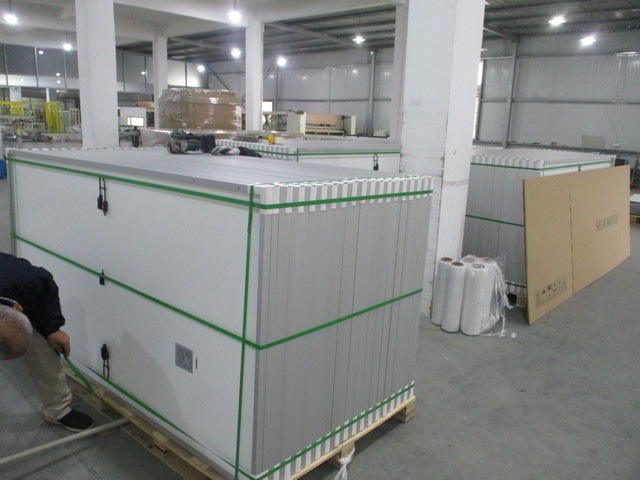
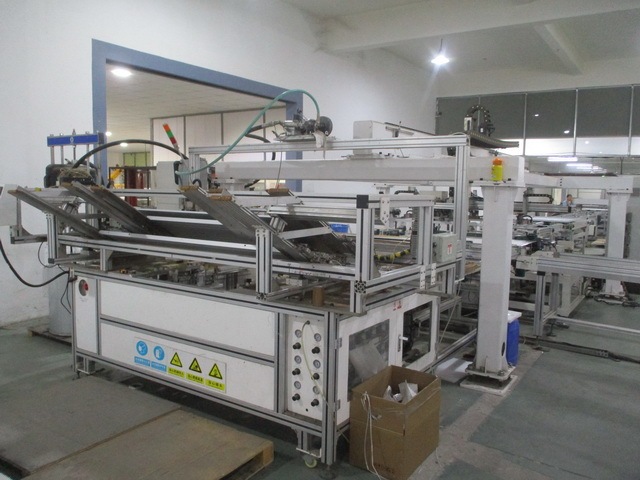
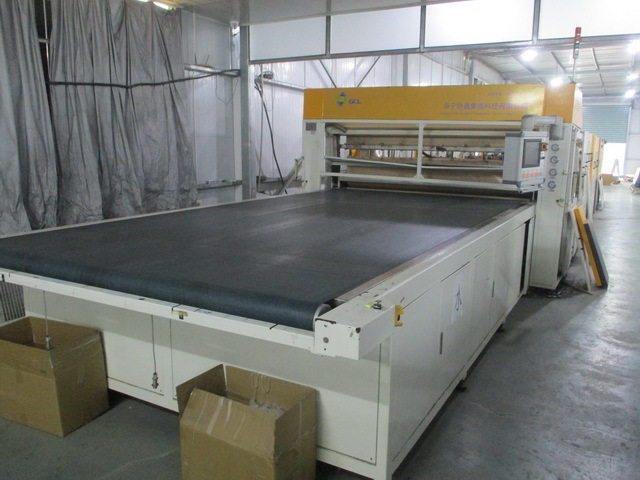
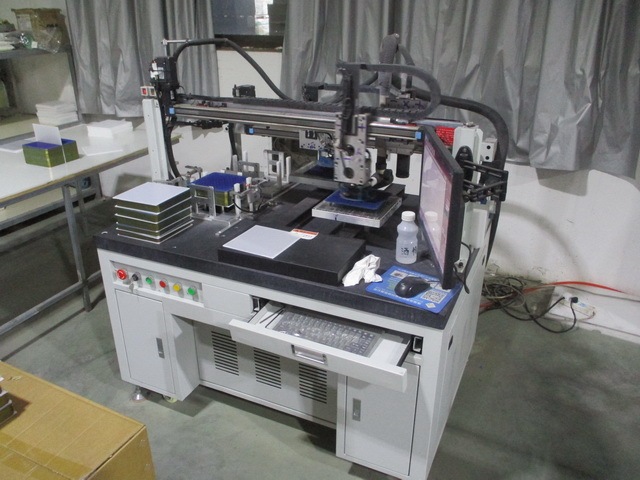
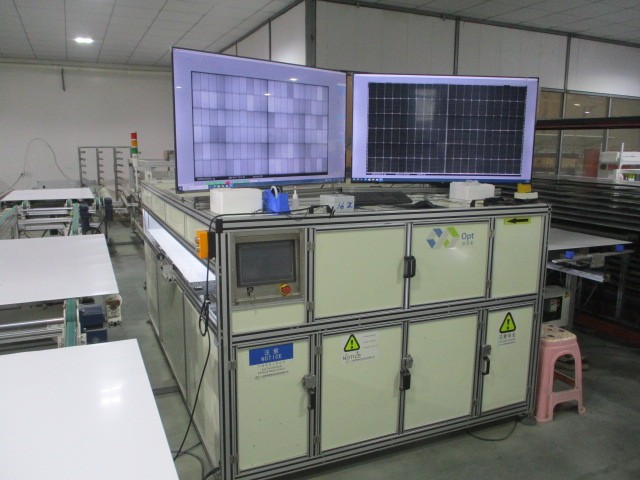
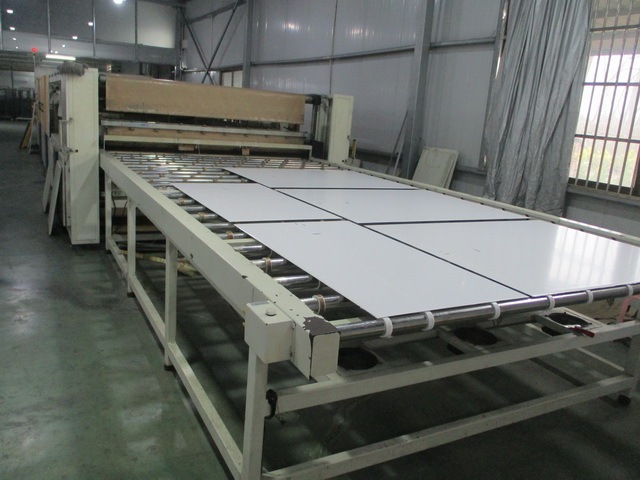
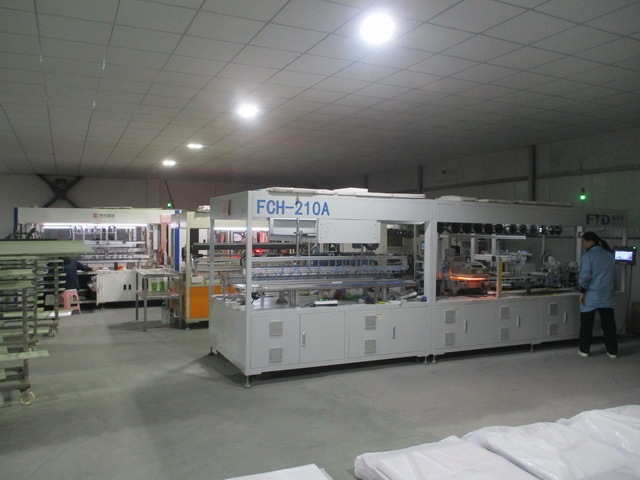
Reliable components designed for diverse off-grid applications, from telemetry modules to high-capacity hybrid solar setups.
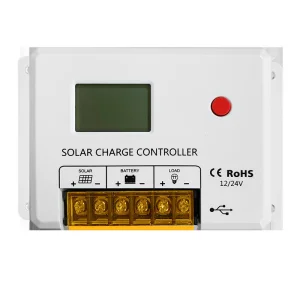
How specialized MPPT and PWM algorithms perform in local environments and industrial projects.
Over 50% of Latvia is covered by boreal forests. Remote wildlife cameras, weather sensors, and timber-cutting coordination centers depend on small-scale solar rigs. Our 10A to 30A waterproof PWM/MPPT controllers keep internal auxiliary systems active even under dense tree canopies.
Harbors in Riga, Ventspils, and Liepāja deploy maritime marker buoys, signaling lights, and private yachts that rely on solar energy. Standard controllers fail in humid, saline atmospheres. Our IP68 waterproof anodized aluminum-cased solar regulators withstand corrosive environments.
Latvian agricultural installations use solar energy for water pumping, electric fencing, and smart irrigation controllers. High-efficiency MPPT controllers step down high-voltage PV inputs to charge 24V or 48V battery banks safely, operating during changing weather conditions.
Key technical specifications required by commercial buyers and EPC engineers for reliable PV system design.
For commercial energy procurement, selecting the right controller requires matching electrical, environmental, and thermal protection features. Ensure the following specs are included in your RFP:
As a global provider, we back our manufacturing processes with strict certification standards. All solar charge controllers undergo individual automated load-bank testing before shipping. Our engineering team, specializing in hybrid off-grid integration, assists buyers in customizing configuration options to maximize conversion efficiency and match localized battery voltages.
By using premium MOSFET switches, advanced microchips, and robust terminals, we ensure our hardware withstands voltage spikes, output short-circuits, and reverse battery polarity issues. This design approach reduces operational maintenance costs for remote Baltic installations.

Get in touch with our applications engineering department. We provide custom sizing, CAD schematics, pricing lists, and fast sea/air logistics options directly to Riga Port.
Get answers to technical questions about selecting, installing, and maintaining solar charge controllers in Northern Europe.
High-voltage, high-amperage solar regulators designed to manage power distribution in Baltic off-grid and battery backup installations.
 Smart Energy