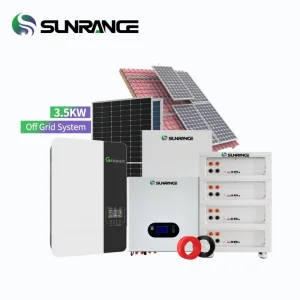
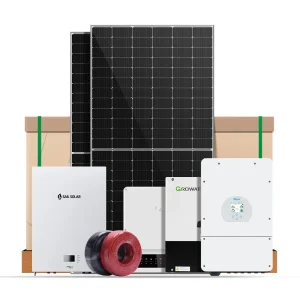
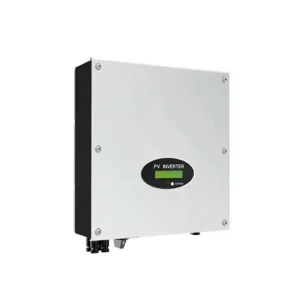
Engineered specifically to survive dust storms, intense heat waves, and deliver uninterrupted power where grids are unstable.
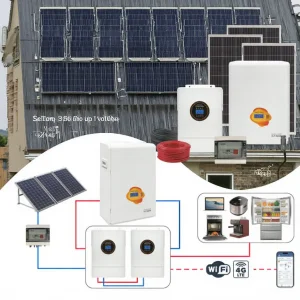
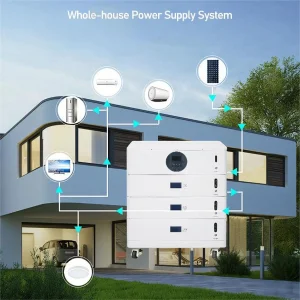
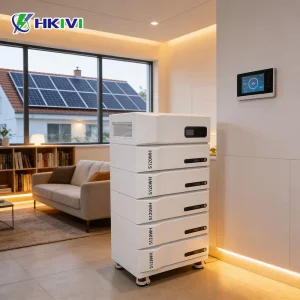
Sudan faces unique geopolitical, climate, and infrastructural obstacles that make traditional grid-based electricity highly volatile. The Sudanese National Grid suffers from severe capacity deficits, leaving millions of residential properties, commercial centers, and agricultural nodes in metropolitan areas like Khartoum, Omdurman, Port Sudan, and Wad Madani prone to frequent rolling blackouts. Consequently, homes and businesses have long relied on expensive, noisy, and polluting diesel generators.
With volatile fuel supply, soaring diesel costs, and extreme seasonal temperatures exceeding 45°C, local consumers are rapidly shifting toward off-grid and hybrid energy systems. However, sourcing a high-quality Residential Solar Energy System in Sudan requires careful technical alignment. Standard mass-market solar systems fail in desert environments due to heat-induced voltage drop, sand/dust deposition (soiling), and battery thermal runaway.
By bypassing middle-tier traders and working directly with a leading residential solar energy system factory, Sudanese developers, importers, and EPC contractors can secure high-temperature-resilient equipment designed specifically to perform under Sub-Saharan conditions.
Customized solar setups configured for multi-device household loads, offering long battery cycle counts.
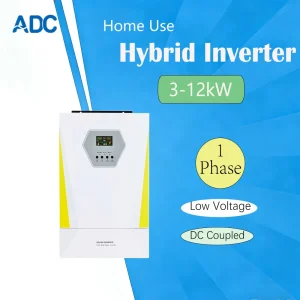
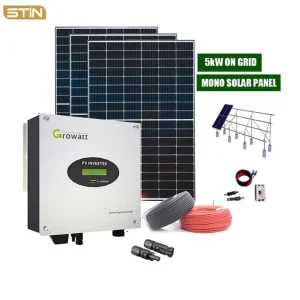
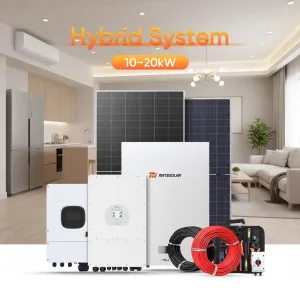
Understanding supply-chain optimization, system integration, and advanced cell technology for African installations.
Internationally, the transition to clean energy is driven by vertical integration. As a leading manufacturer, we provide complete, engineered solutions rather than piecemeal components. When Sudanese importers buy off-the-shelf panels from local brokers, they often end up pairing them with mismatched third-party inverters and batteries, resulting in premature system shut-offs and inverter fault codes.
By selecting factory-direct bundles, you ensure that the solar cells, hybrid inverters, and battery management systems (BMS) are natively integrated. This pre-engineered harmony is critical for residential installations where non-technical homeowners expect "plug-and-play" reliability.
Globally, residential energy storage has moved firmly to Lithium Iron Phosphate (LiFePO4) chemistry due to its thermal stability. In Sudan's hot climate, safety is paramount. Unlike standard ternary lithium batteries (NMC), which pose thermal runaway risks at high temperatures, our LiFePO4 cells can withstand ambient temperatures up to 60°C without risk of combustion. Combined with our intelligent, multi-point temperature sensor BMS, these systems represent the safest possible choice for homes in Khartoum and beyond.
Discover how our energy storage systems solve specific residential, agricultural, and commercial needs.
Designed for multi-story family homes in urban areas. Provides seamless, millisecond-level switching during daily power outages to keep air conditioners, lights, refrigerators, and water pumps running smoothly without diesel exhaust noise.
Perfect for residential-adjacent agricultural plots along the Nile. Powers submersed pumps during daytime solar peak hours, storing surplus energy in LiFePO4 batteries to run critical lighting and security systems overnight.
Delivers continuous, stable power to keep refrigeration systems active for life-saving vaccines and medical supplies in off-grid towns like Nyala and El Obeid, eliminating dependence on volatile local diesel supply routes.
Hangzhou Smart Energy Co., Ltd. is a professional solar power system supplier based in Hangzhou, China, dedicated to delivering efficient and sustainable energy solutions for global customers. The company specializes in the design, manufacturing, and integration of residential, commercial, and hybrid energy storage systems, helping users achieve energy independence and reduce electricity costs.
With a comprehensive product portfolio, Smart Energy offers high-performance solar panels, advanced inverters, and reliable battery storage systems, all engineered to ensure optimal efficiency and long-term durability. Its solutions are widely applied in homes, commercial facilities, industrial projects, and off-grid applications, adapting to diverse energy demands and environmental conditions.
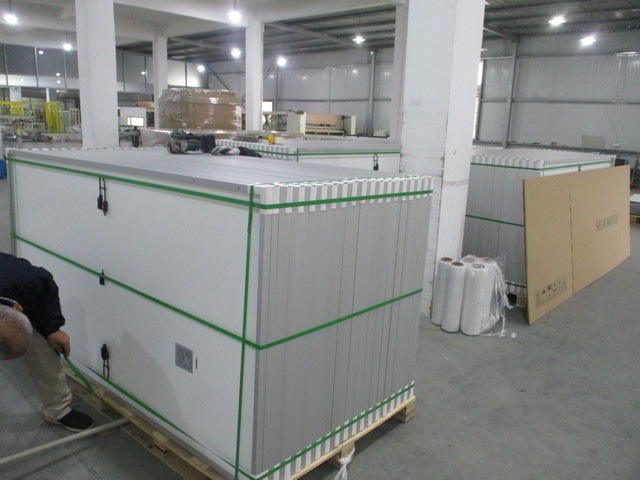
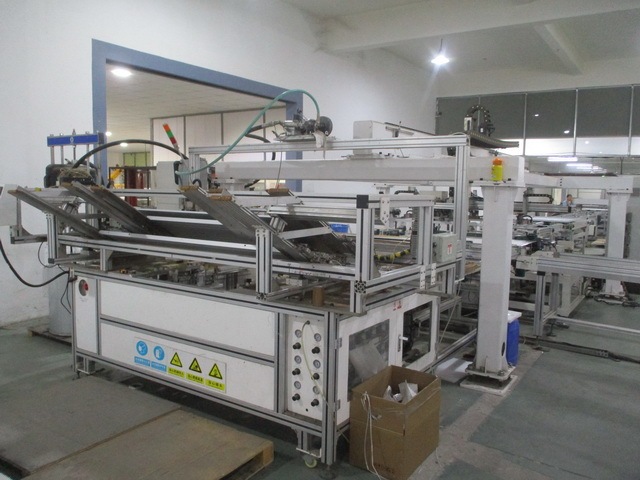
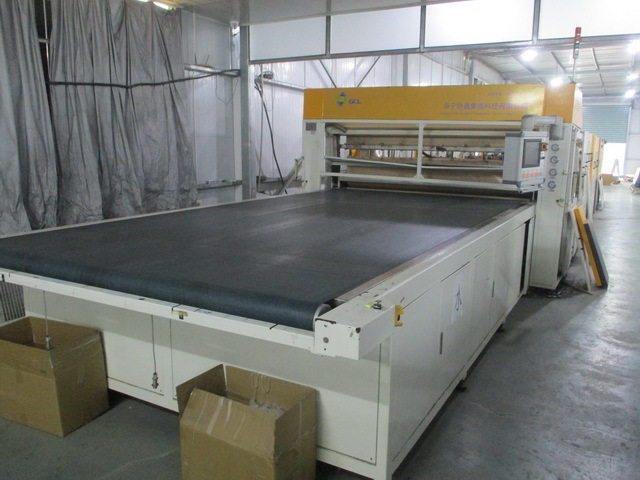
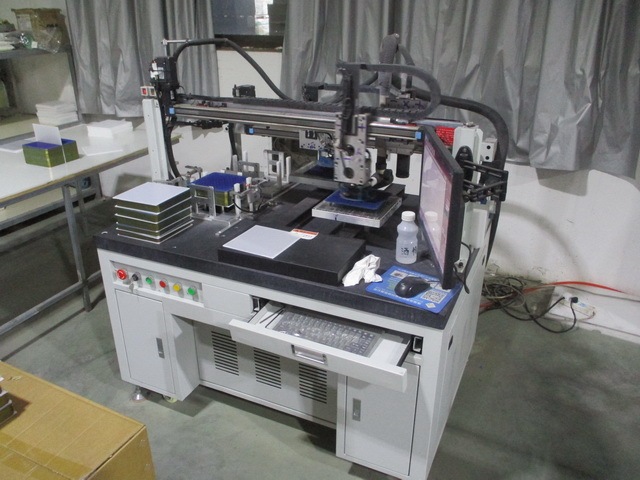
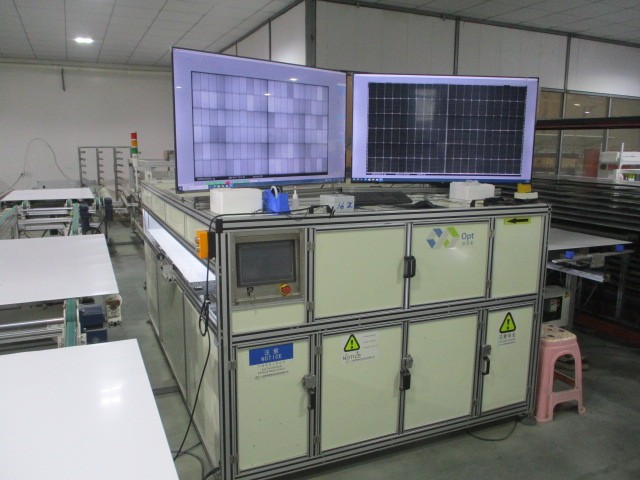
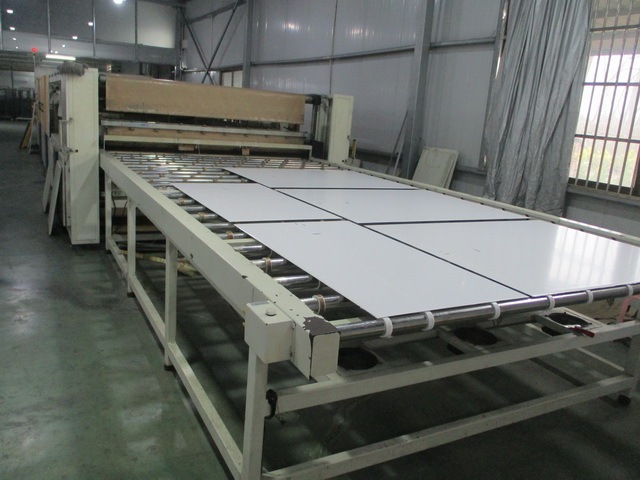
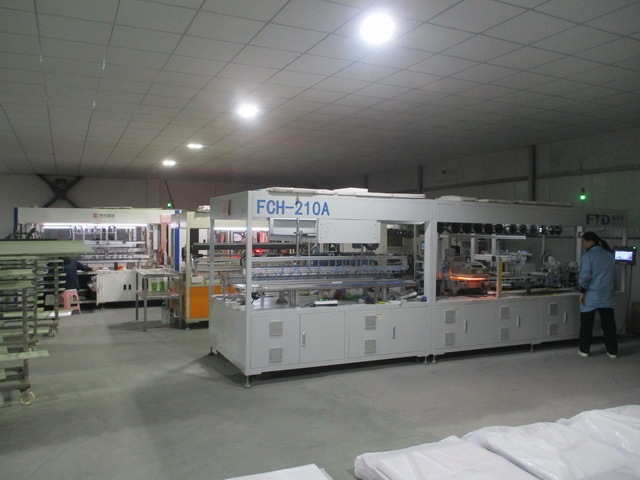
Driven by innovation and quality, the company utilizes modern production technologies and strict quality control processes to meet international standards. Its experienced engineering team provides customized system design, technical support, and turnkey project solutions tailored to client requirements.
Hangzhou Smart Energy is committed to promoting clean energy adoption worldwide. By combining smart energy management with scalable solar technologies, the company empowers customers to build greener, more efficient, and future-ready power systems.
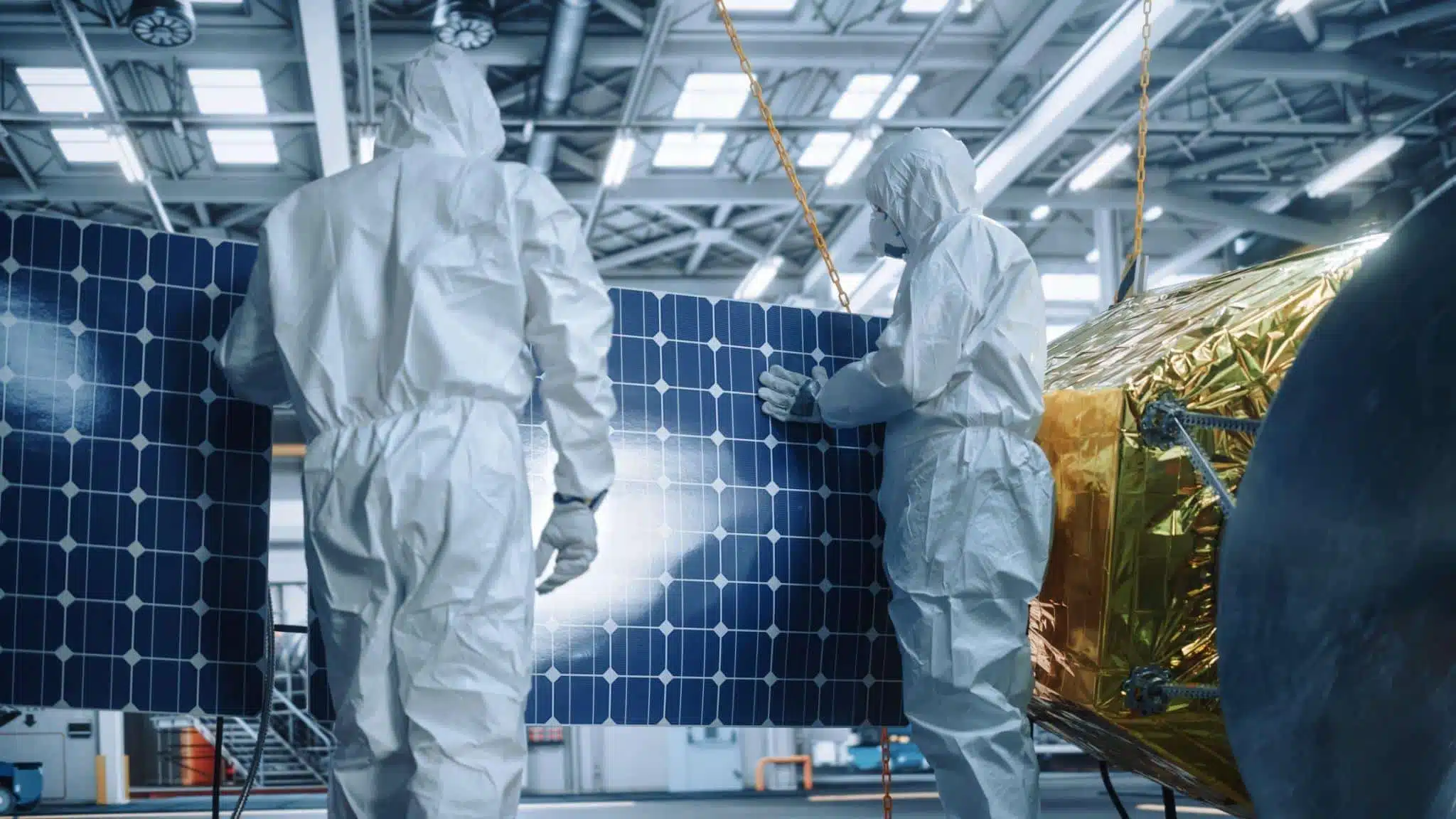
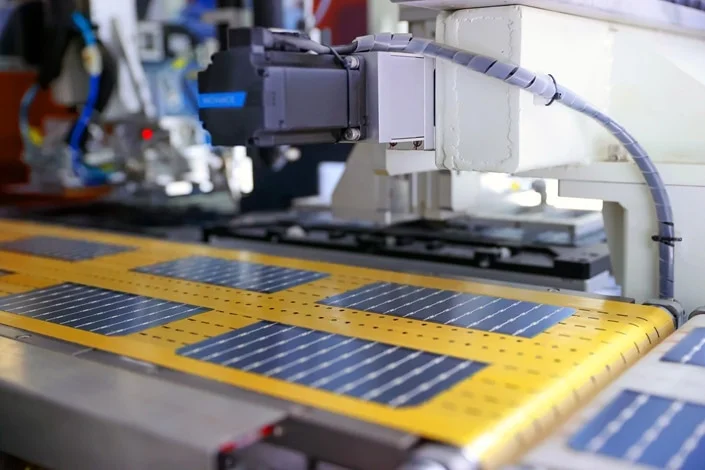
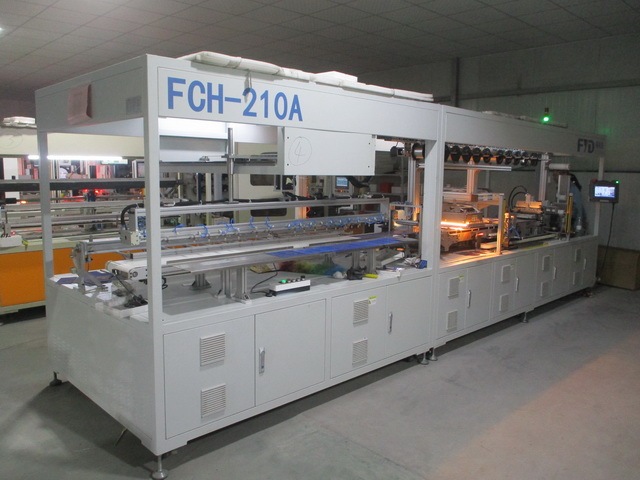
How we ensure trouble-free clearance, high quality standards, and dedicated local implementation support.
Our manufacturing facility provides complete documentation required by the Sudanese Standards and Metrology Organization (SSMO). From CE, RoHS, and IEC 61215/61730 certificates for panels, to UN38.3 and MSDS for lithium battery shipping. We ensure all equipment complies with international import regulations, making customs clearance at Port Sudan fast and transparent.
We offer flexible shipping options, including Full Container Load (FCL) to optimize freight cost per system. Our logistics department coordinates closely with Sudanese custom brokers to manage clearing processes efficiently, ensuring transit safety with heavy-duty plywood crates designed to absorb shock during ocean and inland road travel.
To accommodate Sudan's unique solar trajectory, our tech roadmap features three major pillars:
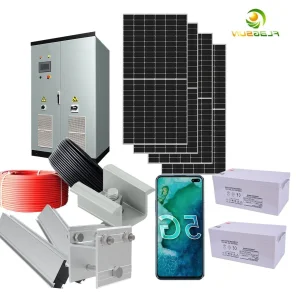
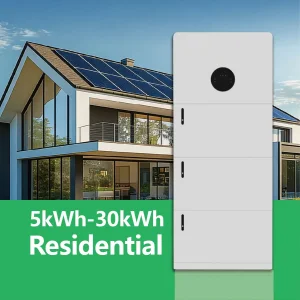
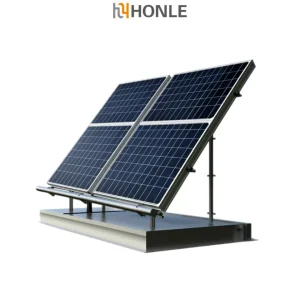
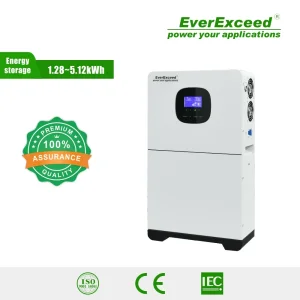
Explore our full catalog of residential system variants, from high-capacity backup packages to modern space-saving balcony setups.
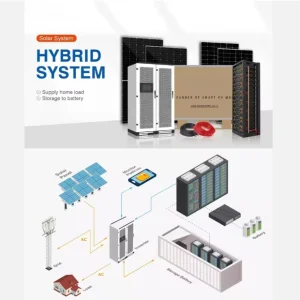
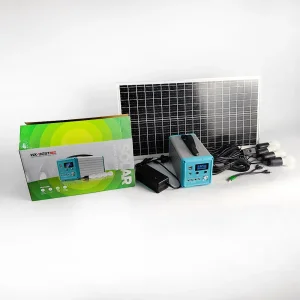
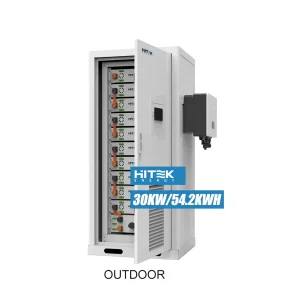
Get authoritative answers on import tariffs, system sizing, thermal performance, and factory standards.
Contact our technical team today to receive a customized system diagram, energy simulation, and factory-direct pricing quote tailored for your specific residential or commercial load profiles.
 Smart Energy