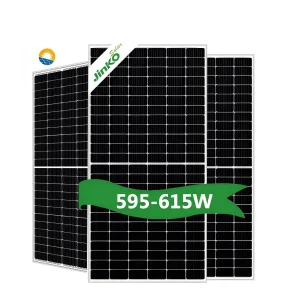
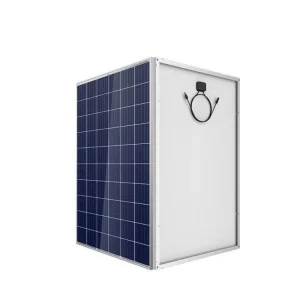
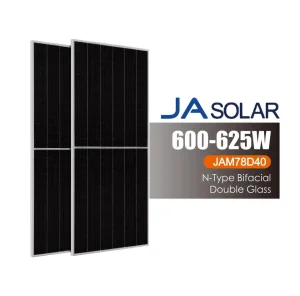
Deploying heavy-duty polycrystalline panels engineered for grid-tied and hybrid operations under high-temperature marine environments.
Decoding the socio-economic drivers behind the fast-paced energy transition in the Eastern Caribbean.
Antigua and Barbuda is undergoing an aggressive energy transition. Heavily dependent on imported fossil fuels historically, the islands have faced high electricity prices, occasionally peaking over $0.40 per kWh. The government's National Energy Policy has target parameters mapping out an ambitious 86% transition to renewable energy systems by 2030. However, achieving this target requires hardware that can endure the unique hazards of the Caribbean environment.
Standard Monocrystalline and Polycrystalline modules that perform outstandingly in temperate zones often experience accelerated degradation in tropical island nations. High humidity, UV radiation intensities, and ambient temperatures exceeding 32°C create severe thermomechanical stress. Furthermore, the constant exposure to airborne ocean salts requires solar panel components to possess advanced PID (Potential Induced Degradation) resistance and salt-spray certifications to ensure a 25-year operational lifespan.
From microgrids in Codrington, Barbuda to large-scale commercial arrays in St. John's, Antigua, polycrystalline silicon configurations continue to provide an outstanding balance of raw durability and economic feasibility. The manufacturing approach utilized by modern Chinese factories ensures that these PV systems deliver competitive Levelized Cost of Energy (LCOE) ratios, proving that polycrystalline systems remain highly effective when deployed under professional engineering supervision.
Renewable Target by 2030
Front-load Wind Resistance
Salt Mist Protection
Linear Performance Warranty
Why modern half-cell design outclasses traditional flat plate modules in performance and heat dissipation.
By splitting the traditional solar cell in two, the internal electrical resistance is reduced by 75%. This configuration keeps operational temperatures lower, limiting power drop-offs in the heat of midday sun.
Double-stage encapsulation combined with anti-corrosive EVA backing sheets protects silicon wafers from ionic migration. Certified under IEC 61701 for harsh marine, high-salinity exposures.
Designed with heavy-duty 40mm anodized aluminum frames to withstand wind speeds up to 240 km/h. Engineered to withstand physical deformation during Caribbean tropical depressions and hurricanes.
Standard monocrystalline modules are often promoted for their high laboratory efficiency rating. However, their high-temperature power drop-off (temperature coefficient of Pmax at -0.40%/°C) can cause significant output reductions when real-world module temperatures reach 65°C under the intense Antigua sun. Modern polycrystalline configurations, coupled with smart half-cell cut technology, operate with lower localized thermal profiles. This structural property allows them to maintain stable power generation, minimizing localized thermal hot spots that can degrade traditional cells prematurely.
From luxury resort microgrids to coastal industrial hubs, we export panels engineered for real-world resilience.
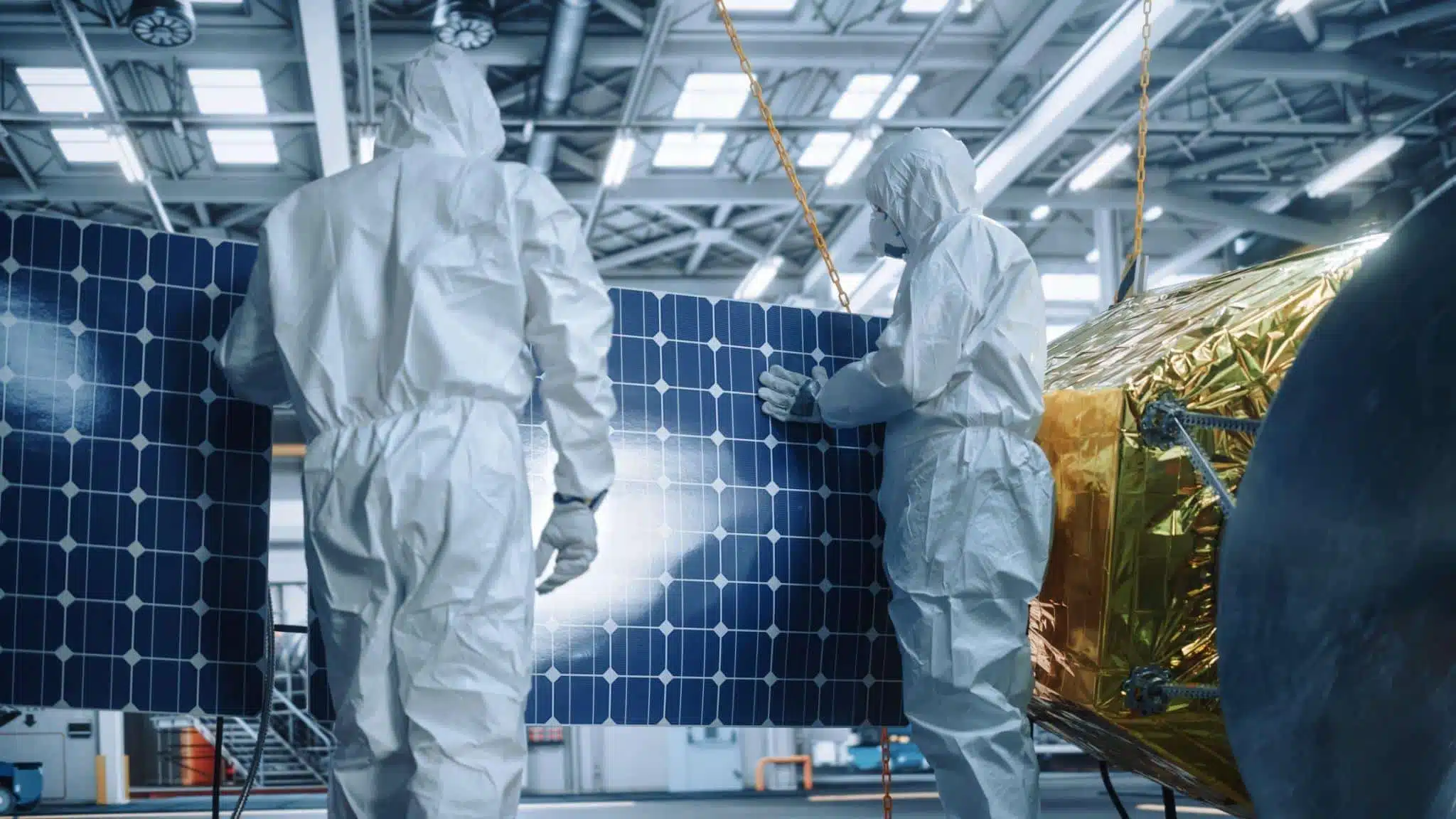
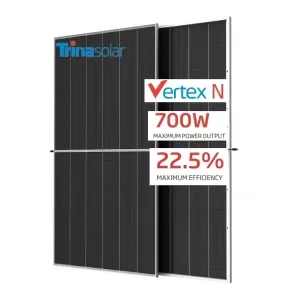
In St. John's, industrial warehouses and port authority storage facilities have extensive flat roof spaces. Utilizing high-efficiency 600W to 700W polycrystalline arrays provides these facilities with significant peak-shaving capacity during heavy operating hours. By combining the system with commercial battery energy storage systems (BESS), businesses can reduce utility demand charges and maintain operations during unexpected grid disruptions.
Antigua's tourism sector relies heavily on pristine environments. Luxury eco-resorts located along offshore cays are increasingly transitioning away from diesel generators to solar-plus-storage microgrids. The durability of double-glass polycrystalline panels makes them an excellent fit for beachfront facilities, providing a reliable source of power for cooling, lighting, and guest amenities while protecting against salt-mist corrosion.
Antigua relies heavily on energy-intensive Reverse Osmosis (RO) desalination plants for its fresh water supply. Combining municipal RO operations with dedicated solar arrays creates a highly sustainable utility model. Polycrystalline PV systems provide a cost-effective, long-lasting power source, lowering the levelized cost of clean water for the entire community.
How Hangzhou Smart Energy Co., Ltd. builds and delivers tier-1 standard modules from our manufacturing lines straight to Caribbean ports.
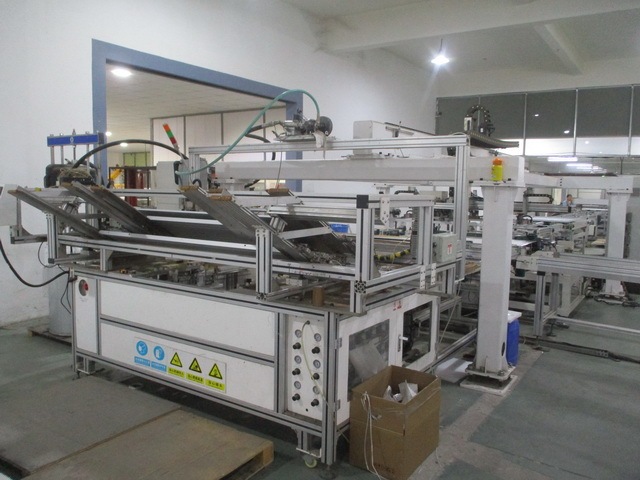
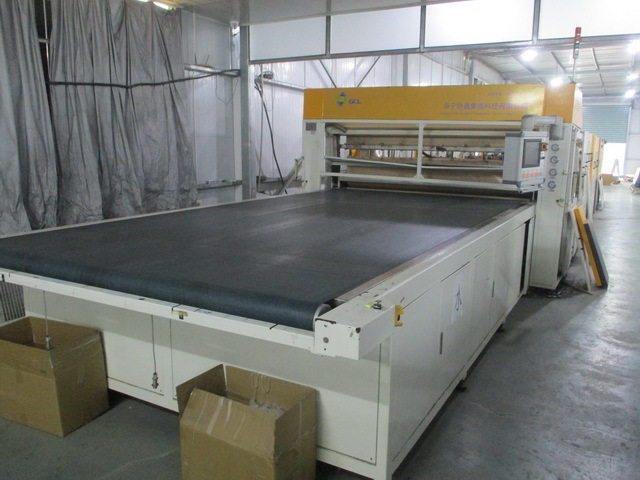
Hangzhou Smart Energy Co., Ltd. is a professional solar power system supplier based in Hangzhou, China, dedicated to delivering efficient and sustainable energy solutions for global customers. The company specializes in the design, manufacturing, and integration of residential, commercial, and hybrid energy storage systems, helping users achieve energy independence and reduce electricity costs.
With a comprehensive product portfolio, Smart Energy offers high-performance solar panels, advanced inverters, and reliable battery storage systems, all engineered to ensure optimal efficiency and long-term durability. Its solutions are widely applied in homes, commercial facilities, industrial projects, and off-grid applications, adapting to diverse energy demands and environmental conditions.
Driven by innovation and quality, the company utilizes modern production technologies and strict quality control processes to meet international standards. Its experienced engineering team provides customized system design, technical support, and turnkey project solutions tailored to client requirements.
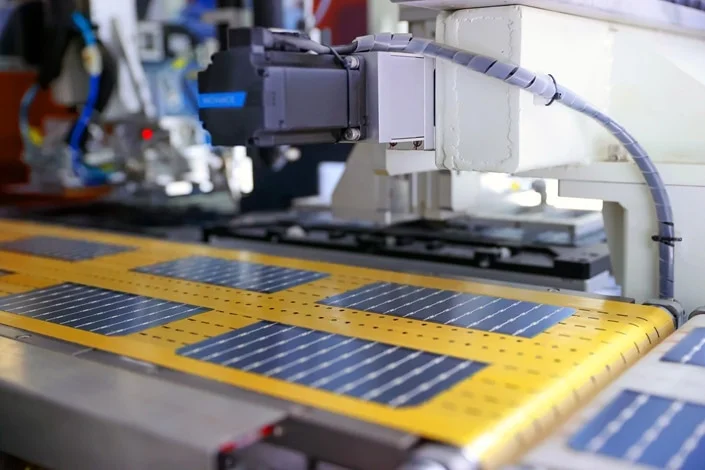
Hangzhou Smart Energy is committed to promoting clean energy adoption worldwide. By combining smart energy management with scalable solar technologies, the company empowers customers to build greener, more efficient, and future-ready power systems. Our logistics framework ensures secure container shipping directly to the Deepwater Harbour in St. John's, with customized packaging designed to prevent moisture penetration during oceanic transport.
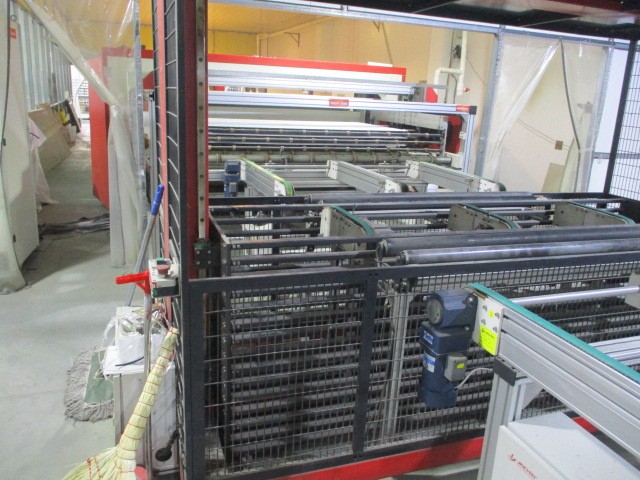
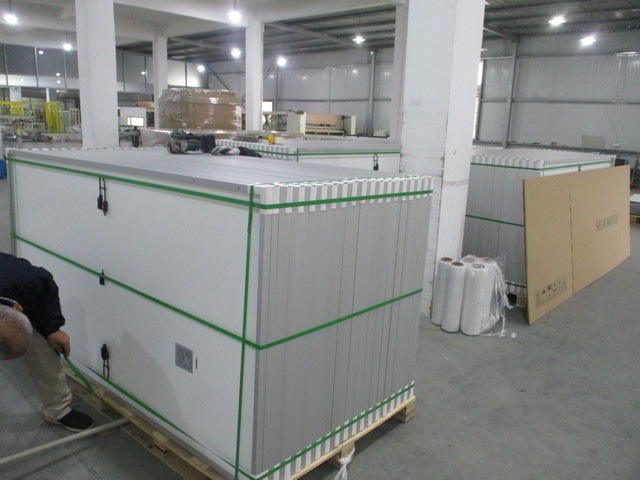


Deploying solar energy structures that align with Eastern Caribbean Building Codes and APUA Interconnection Standards.
Hardware installation in Antigua and Barbuda requires compliance with the Antigua Public Utilities Authority (APUA) grid-connection guidelines. For commercial installations, this requires certified anti-islanding protection, ensuring that the solar array does not feed power back into the grid during utility maintenance outages. All systems exported by Hangzhou Smart Energy feature inverters and management systems compliant with international grid safety standards like IEEE 1547 and UL 1741.
Equally critical is physical wind resistance. Antigua and Barbuda are located directly in the Atlantic hurricane belt. Category 5 storms, such as Hurricane Irma, can generate winds exceeding 290 km/h. To manage these loads, our racking recommendations specify dual-axis high-load mounting rails anchored with marine-grade 316 stainless steel bolts. Combined with our high-tensile 5400 Pa front-load rated panels, these configurations are engineered to withstand extreme wind conditions when installed according to local building guidelines.
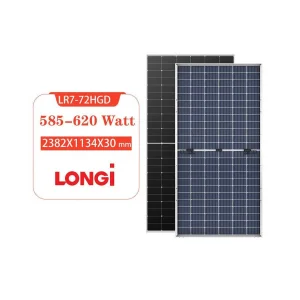
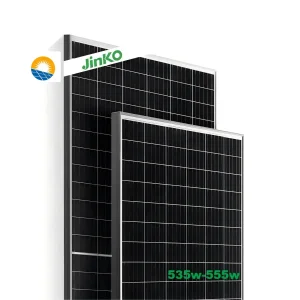
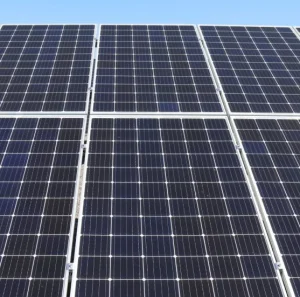
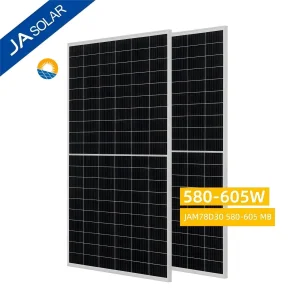
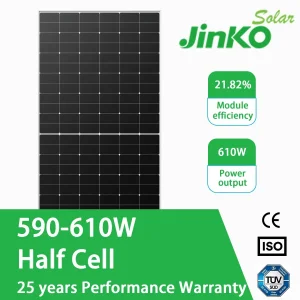
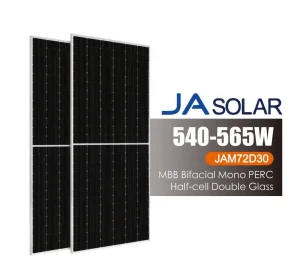
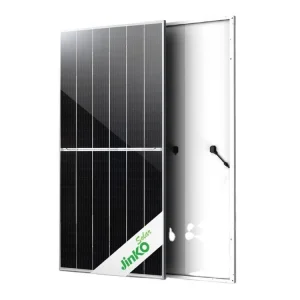
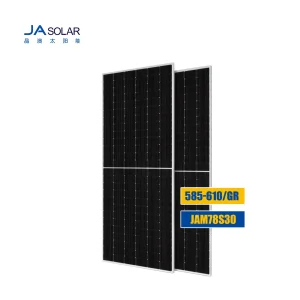
High-capacity solar systems engineered for marine resistance and utility-scale configurations.
Adapting solar panel engineering for the next generation of smart grids in Antigua & Barbuda.
As the Eastern Caribbean updates its electrical infrastructure, solar technology continues to evolve. The future of PV systems in high-radiation areas points toward the integration of N-type tunneling oxide passivated contact (TOPCon) technologies. These systems offer lower temperature coefficients, enabling consistent power output even during the hottest hours of the day.
At the same time, the integration of smart IoT monitoring at the module level is becoming standard. By deploying software-enabled junction boxes, solar system operators can track real-world generation metrics for every string of panels. This makes it easier to schedule preventive maintenance, identify panels affected by salt residue or dust accumulation, and optimize energy production across both commercial and utility-scale installations.
Expert answers addressing the logistical, mechanical, and electrical integration of our solar products in the Caribbean.
Our panels are certified under IEC 61701 (Salt Mist Corrosion Testing, Severity Level 6). We utilize heavy-anodized aluminum frames with a minimum film thickness of 15 microns, combined with salt-resistant encapsulant sheets, to prevent coastal corrosion.
Our modules are certified for a front mechanical design load of up to 5400 Pa and a rear wind load of 2400 Pa. When paired with heavy-duty mounting rails, they are designed to withstand winds of up to 240 km/h, aligning with Eastern Caribbean structural guidelines.
Yes. We provide complete electrical schematics, certification sheets (IEC, CE, UL), and parameter files to assist your local installation team with the APUA registration process.
Standard manufacturing and custom packaging take between 15 to 25 days. Transit times via our shipping partners from Shanghai or Ningbo to Deepwater Harbour, Antigua typically average 35 to 45 days, depending on shipping schedules.
Modern polycrystalline systems with half-cell designs offer a highly cost-effective option for large-scale municipal projects. Their lower upfront acquisition cost helps speed up return on investment, while their robust heat tolerance maintains stable power output under intense tropical sun.
Hangzhou Smart Energy offers a 12-year structural materials and workmanship warranty, alongside a 25-year linear power output performance warranty, ensuring our panels continue to deliver at least 80% of their rated capacity over time.
 Smart Energy