Engineered specifically to withstand high UV, dust loading, and coastal environment conditions across Namibia
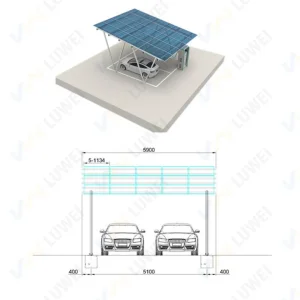
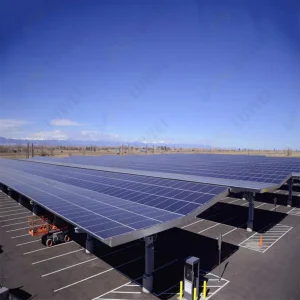
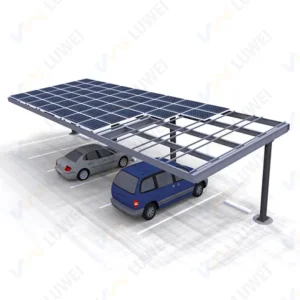
Namibia enjoys one of the highest solar radiation profiles in the world, with average Global Horizontal Irradiance (GHI) values exceeding 2,200 kWh/m² per annum across the Erongo, Khomas, and Karas regions. For commercial and industrial (C&I) sectors, this represents an unparalleled opportunity. Historically dependent on imported power from South Africa via NamPower, local enterprises face rising tariff rates and supply reliability concerns.
Under Namibia's Modified Single Buyer (MSB) model, large electricity consumers can purchase up to 30% of their power requirements from independent producers or run behind-the-meter captive installations. Combined with national net metering policies, installing decentralized commercial solar systems provides rapid amortization. It delivers robust long-term cost stability for localized manufacturing facilities, farming syndicates, and shopping malls.
Overcoming unique challenges of heat derating, particulate abrasion, and marine corrosion
With interior ambient temperatures in regions like the Namib Desert exceeding 45°C, standard solar components lose efficiency rapidly. Our commercial microgrids utilize custom-designed heat dissipation systems and premium class A LiFePO4 cells with smart temperature control circuits to guarantee reliable capacity retention even under continuous thermal load.
Fine Kalahari silica dust acts as a severe abrasive agent and builds up structural load on panels. We offer PV systems integrated with anti-reflective, low-adhesion coatings and heavy-duty structural frames featuring a tilt-angle optimized configuration to naturalize rainwater cleansing and reduce cleaning frequencies.
Port areas like Walvis Bay and Swakopmund face high salinity fog. Our systems utilize hot-dip galvanized structural frames and specialized anti-corrosive powder coatings (C4/C5 grade) to prevent early electrochemical decay, maintaining design life above 25 years.
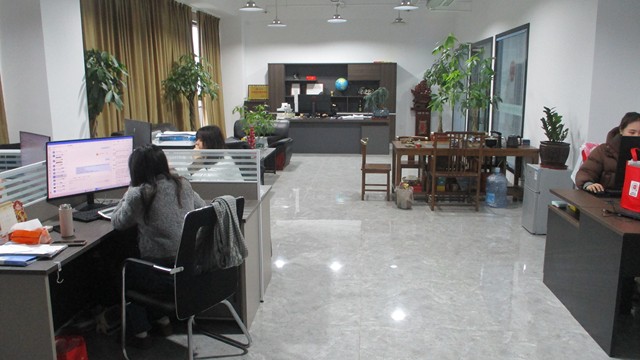
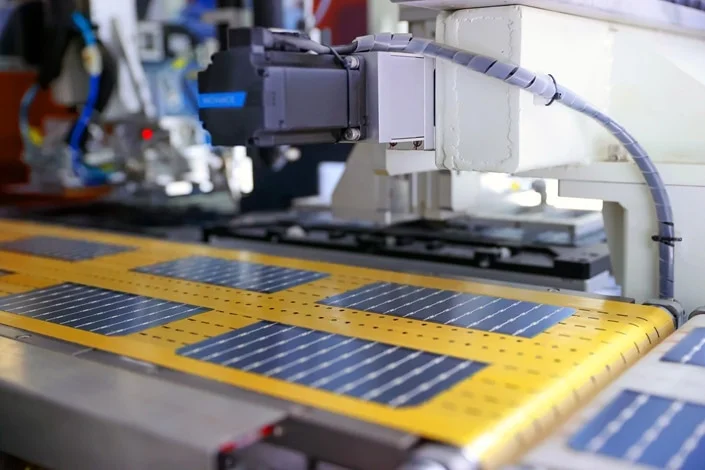
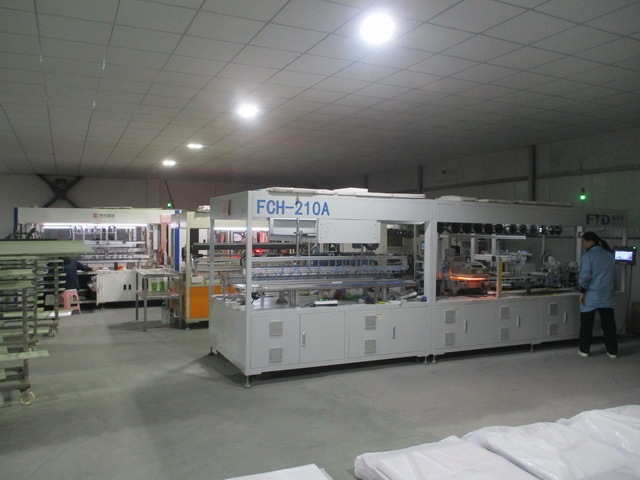
Hangzhou Smart Energy Co., Ltd. is a professional solar power system supplier based in Hangzhou, China, dedicated to delivering efficient and sustainable energy solutions for global customers. The company specializes in the design, manufacturing, and integration of residential, commercial, and hybrid energy storage systems, helping users achieve energy independence and reduce electricity costs.
With a comprehensive product portfolio, Smart Energy offers high-performance solar panels, advanced inverters, and reliable battery storage systems, all engineered to ensure optimal efficiency and long-term durability. Its solutions are widely applied in homes, commercial facilities, industrial projects, and off-grid applications, adapting to diverse energy demands and environmental conditions.
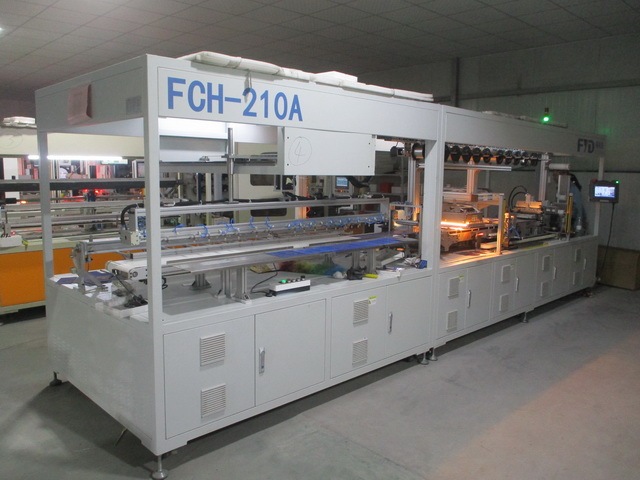
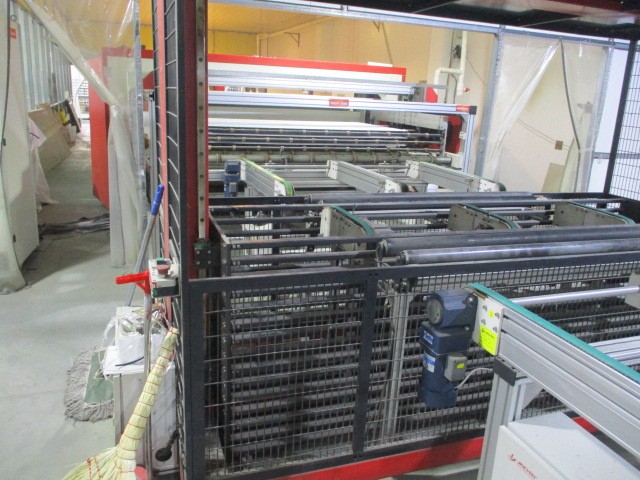
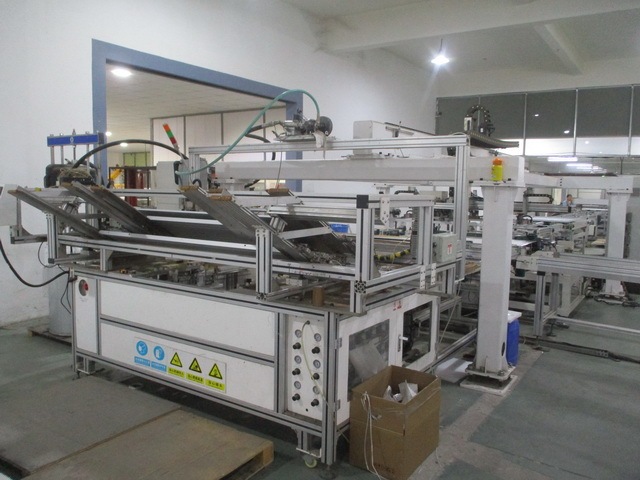
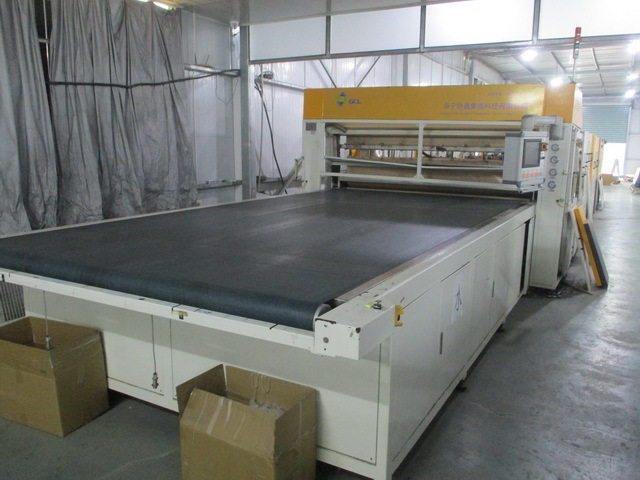
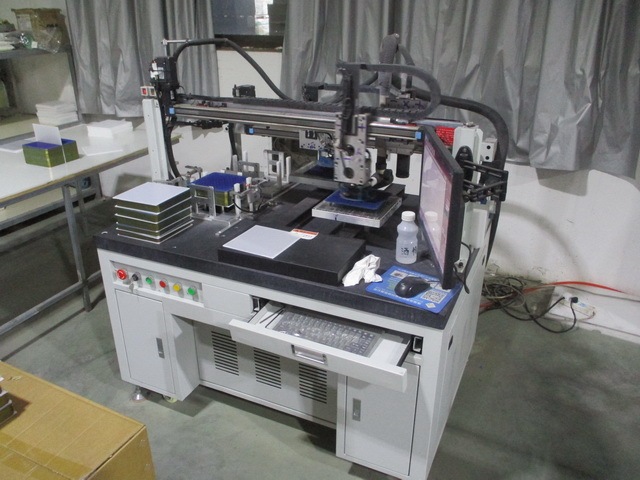
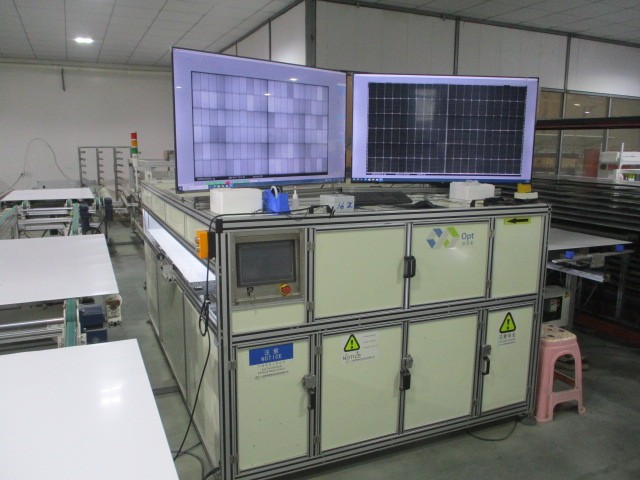
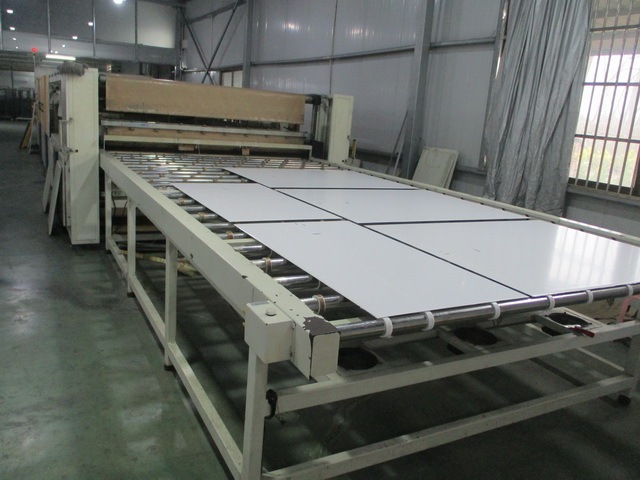
Driven by innovation and quality, the company utilizes modern production technologies and strict quality control processes to meet international standards. Its experienced engineering team provides customized system design, technical support, and turnkey project solutions tailored to client requirements.
Hangzhou Smart Energy is committed to promoting clean energy adoption worldwide. By combining smart energy management with scalable solar technologies, the company empowers customers to build greener, more efficient, and future-ready power systems.
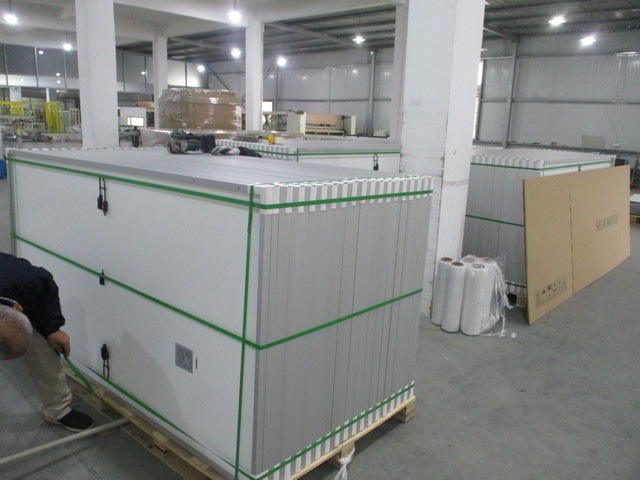
Our direct-to-port shipping from Ningbo/Shanghai to the Port of Walvis Bay bypasses intermediate trading markups. Through established logistics channels and the Walvis Bay Corridor Group networks, we coordinate door-to-door delivery right to your projects in Windhoek, Erongo, Otjiwarongo, or remote mining centers.
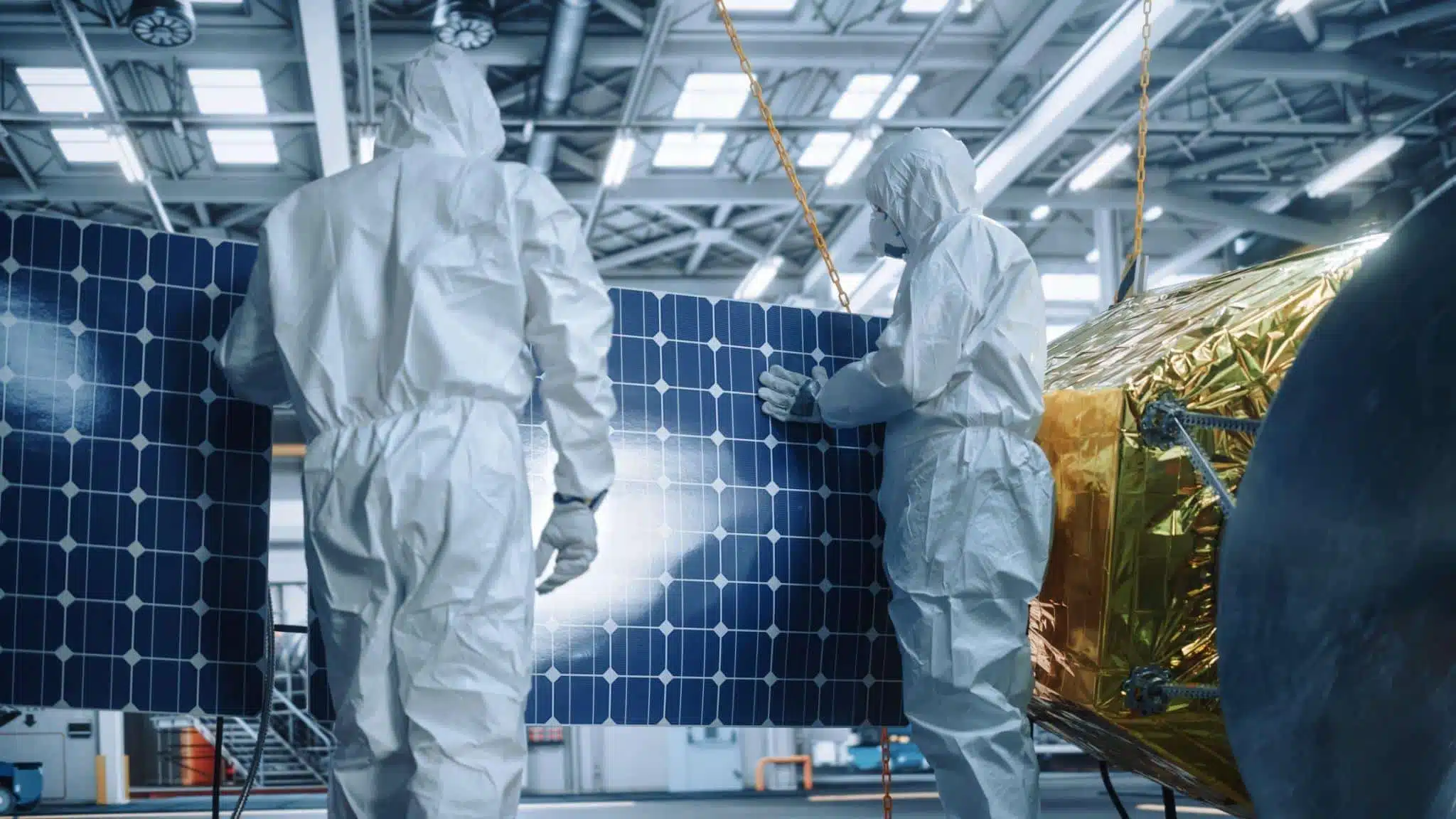
Decentralized Clean Power Tailored to Unique Operational Demands
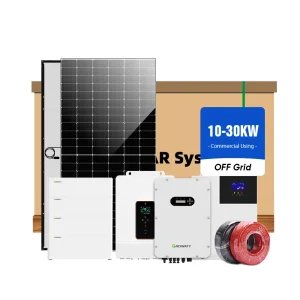
Namibia’s rich uranium and diamond mining sites in remote parts of Erongo and Karas rely on costly diesel generators. Integrating a customizable solar-plus-storage system lowers fuel logistics costs, stabilizes micro-grids from power surges, and guarantees reliable backup capability.
From high-yield cattle farms near Otjiwarongo to table grape operations in Aussenkehr, agricultural projects face massive irrigation water pumping bills. Off-grid hybrid BESS solutions optimize day-pumping, maximizing direct solar consumption.
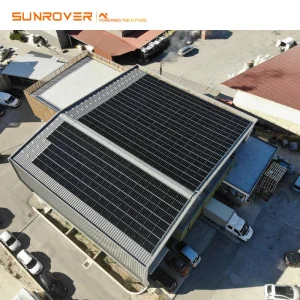
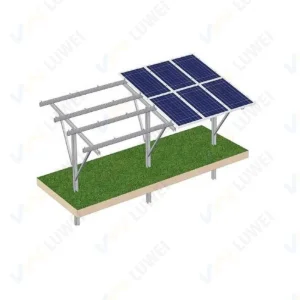
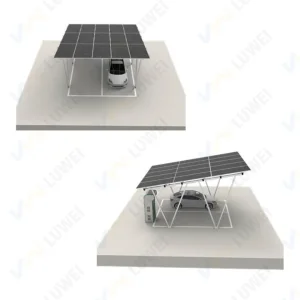
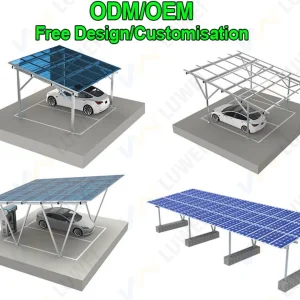
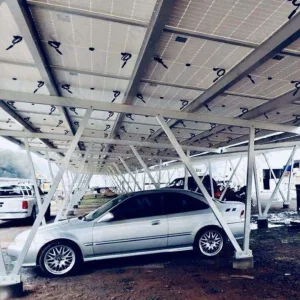
Shopping centers, business parks, and logistical depots in Windhoek or Walvis Bay optimize massive surface areas using solar carports. Shading customer fleets from intense sunshine while supplying low-cost peak power offsets daytime HVAC electricity demand.
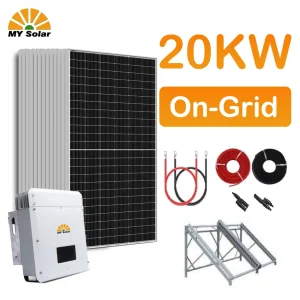
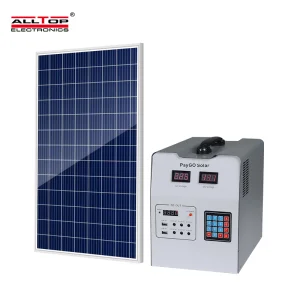
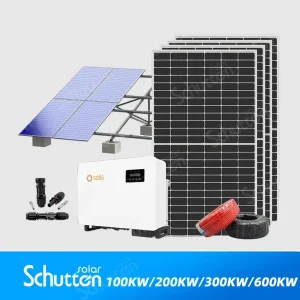
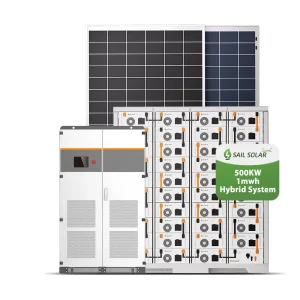
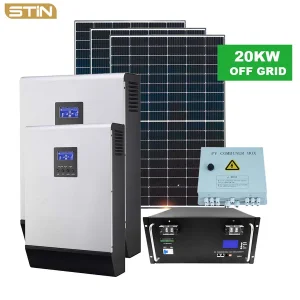
Fully customizable configurations from 16kW to multi-megawatt setups
Crucial engineering, regulatory, and financial insights for prospective buyers
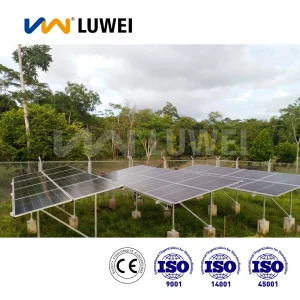
Our complete systems and electrical sub-components are manufactured to strictly satisfy international standards such as IEC 61215 (photovoltaic modules design qualification), IEC 61730 (PV module safety), CE directives, and ISO 9001 certified QA management. Additionally, the lithium battery units we supply hold UN38.3 certifications ensuring absolute safety and compliance during maritime transport to Walvis Bay and land logistics within Namibia.
Namibia's net metering guidelines allow on-grid commercial consumers to feed excess power generation back into the local distribution grid (such as Erongo RED, Cenored, or City of Windhoek) for a credit offset. This offset is typical set at avoided cost of generation. Generating your own energy reduces grid intake charges. With high sunshine irradiance levels, this shortens the amortization period of a 1MW system down to 4.2 to 5 years, while securing continuous clean energy for up to 25 years.
For coastal project locations characterized by high ambient dynamic pressure wind loads, we customize the structural profile thickness using structural grade hot-dip galvanized steel or premium anodized structural aluminum. Our engineers utilize localized wind load profile calculations (supporting wind speeds up to 140 km/h) to customize tilt configurations and grounding structures, guaranteeing reliable performance during heavy windstorms.
Typically, custom design engineering and production take 15 to 25 days depending on the structural scope. Maritime shipping from Shanghai or Ningbo to Walvis Bay Port averages 28 to 35 days. Inland custom clearance and delivery to sites via the Trans-Kalahari or Trans-Caprivi corridors take an additional 3 to 7 days, meaning a complete customized container solution arrives within 50 to 65 days from final design sign-off.
 Smart Energy