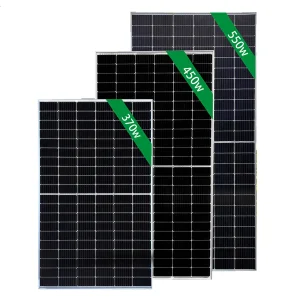
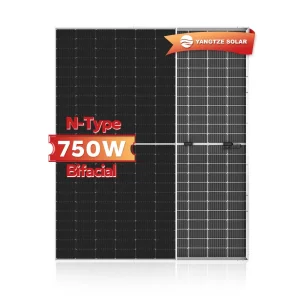
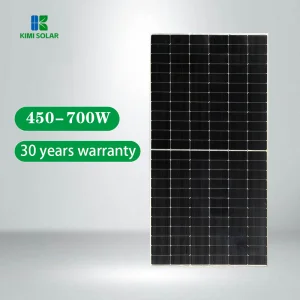
Industrial-Grade TOPCon & Double-Glass Photovoltaic Engineering Designed for Brazil's High-Albedo Commercial & Utility Systems
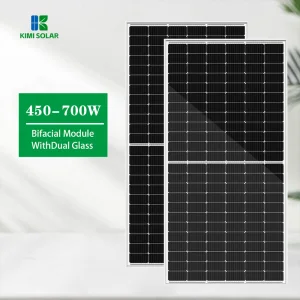
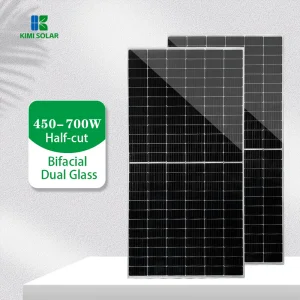
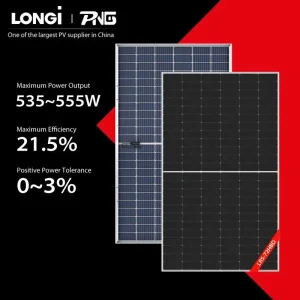
Engineered to utilize rear-side irradiance on ground-mount and commercial concrete rooftops, maximizing energy density across Brazil's industrial zones.
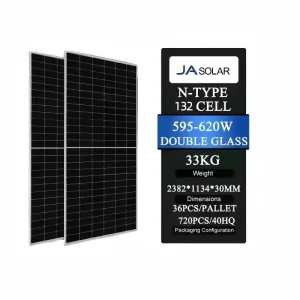
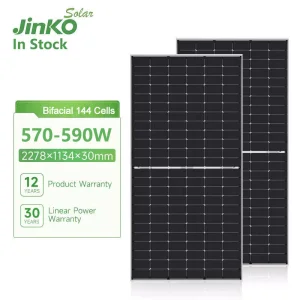
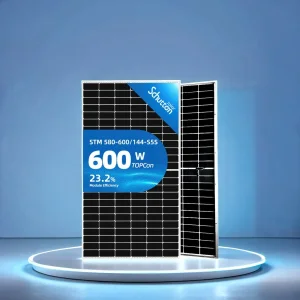
As the industrial powerhouse of South America, the State of São Paulo accounts for more than 30% of Brazil’s GDP. The region's dense industrial belts—stretching across Campinas, Sorocaba, Jundiaí, and the Paraíba Valley—are undergoing a massive shift towards decentralized generation (Geração Distribuída - GD). High retail electricity tariffs, combined with structural changes under Brazil's Law 14.300 (the legal framework for GD), have turned self-generation into a financial imperative for commercial and industrial (C&I) enterprises.
In this shifting economic terrain, standard monofacial photovoltaic panels are no longer the default choice. Project developers, engineering procurement construction (EPC) firms, and industrial site owners in São Paulo are actively transitioning to Bifacial Solar Modules. By capturing reflected sunlight from concrete factory yards, white elastomeric roof coatings, and the rich reddish-brown argisol soils common to southeastern Brazil, bifacial systems generate up to 25% more power over the same physical footprint. This additional energy yield directly lowers the Levelized Cost of Energy (LCOE) and shortens the ROI window for energy-intensive installations.
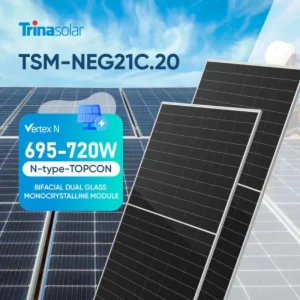
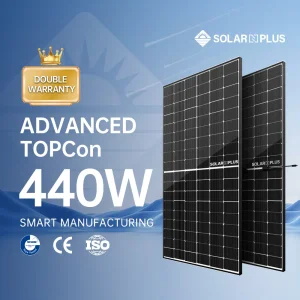
Optimize your solar assets under Brazil's updated net-metering framework by leveraging N-Type double-glass performance parameters.
Utilize the high reflection rates of São Paulo's light-colored industrial rooftops to drive maximum backside PV yield.
Streamlined logistics routes through Santos Port, ensuring all technical documentation supports import tax exemptions.
To realize the full capability of bifacial solar technology, modules must be matched to localized soil conditions, tracking architectures, and climate profiles. In São Paulo, the solar irradiance levels average between 4.5 and 5.5 kWh/m²/day. While this provides an exceptional solar resource, the high relative humidity of the subtropical coastal areas introduces distinct degradation risks—specifically, Potential Induced Degradation (PID) and Light and Elevated Temperature Induced Degradation (LeTID).
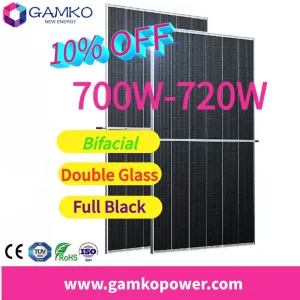
Our N-Type TOPCon Double-Glass modules resolve these environmental challenges through a symmetrical dual-glass structure that seals the solar cells against moisture ingress. Below is a breakdown of how different ground profiles in São Paulo influence the performance (albedo gain) of our bifacial systems:
| Surface Profile Type | Typical Albedo Coefficient | Expected Bifacial Power Gain | Best Application Scenarios in São Paulo |
|---|---|---|---|
| White Painted Industrial Roofs | 60% - 80% | +20% to +28% | Logistics hubs, cold storage warehouses in Jundiaí and Campinas. |
| Light Concrete / Gray Gravel | 30% - 40% | +12% to +18% | Industrial manufacturing parks, substations, ground-mount tracker systems. |
| Red Clay Soil (Latossolo Vermelho) | 15% - 22% | +8% to +12% | Agrivoltaics and ground installations in rural areas (Ribeirão Preto, Bauru). |
| Green Pasture / Grasslands | 18% - 25% | +10% to +14% | Distributed generation solar farms, co-located grazing projects. |
Conventional monofacial modules utilize a plastic backsheet that is susceptible to moisture micro-permeation over time. Under São Paulo’s heavy seasonal rainfall and high humidity, moisture penetration accelerates cell degradation and increases leakage currents. Dual-glass modules substitute the plastic backsheet with a high-resistance, semi-tempered front and rear glass pane. This hermetic barrier offers:
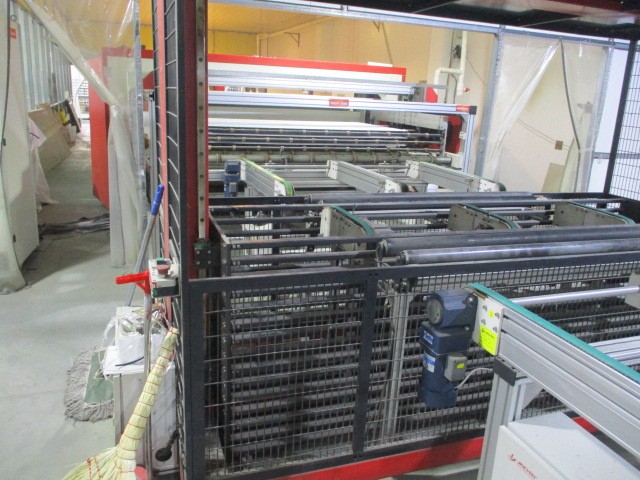
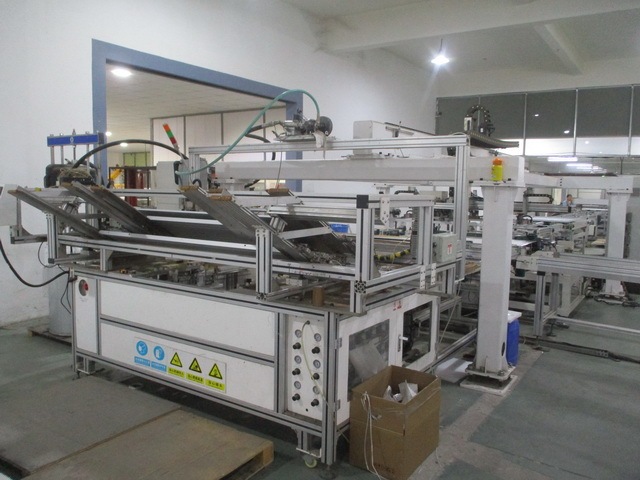
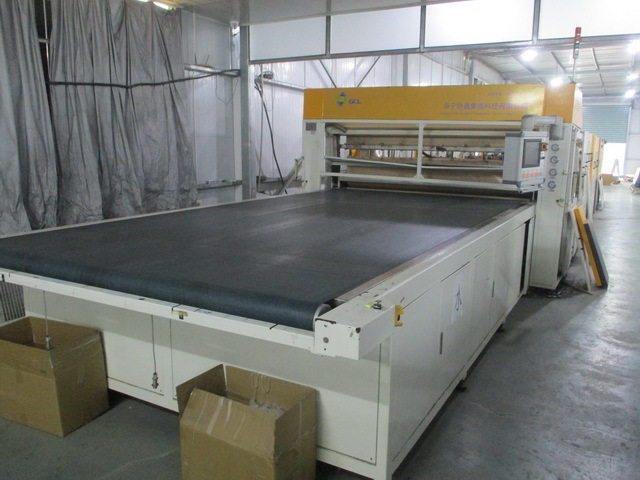
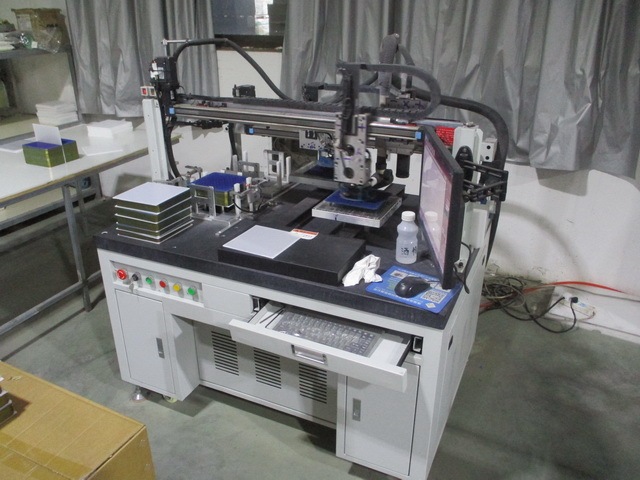
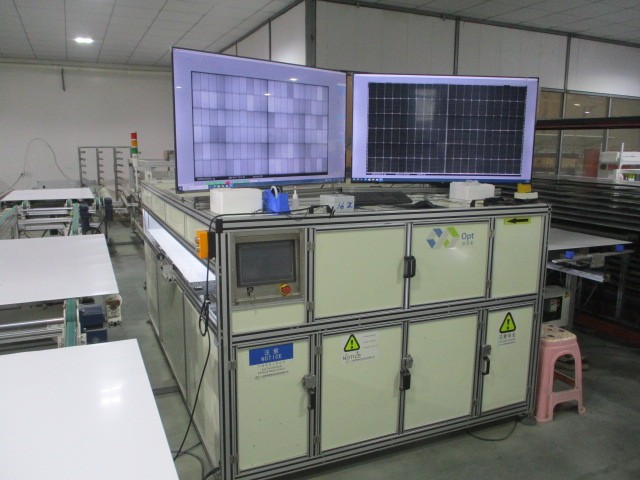
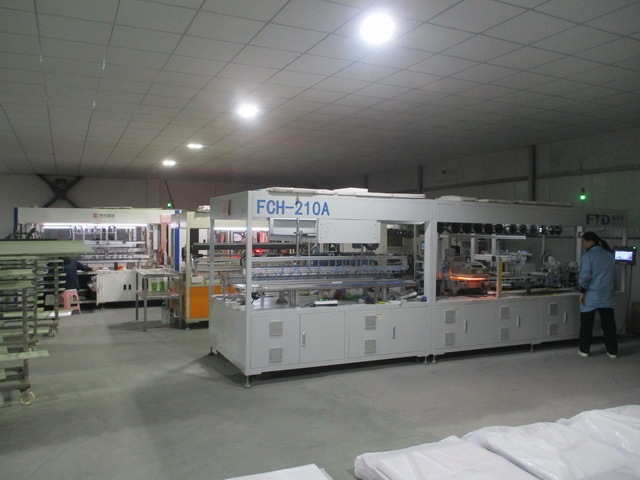
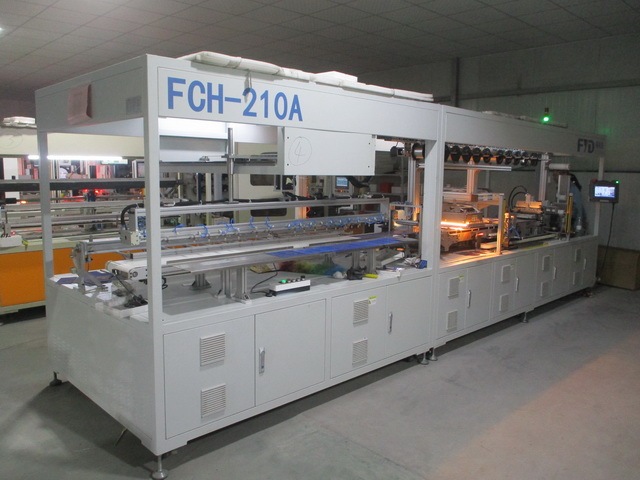
Our manufacturing facility leverages advanced Industry 4.0 technologies. We run fully automated cell placement, non-destructive laser cutting, and multi-busbar (MBB) welding technologies to minimize grid resistance and optimize electron collection. Quality management is integrated at every process boundary through AI-powered Electroluminescence (EL) inspection systems, identifying micro-cracks or grid line defects invisible to the human eye.
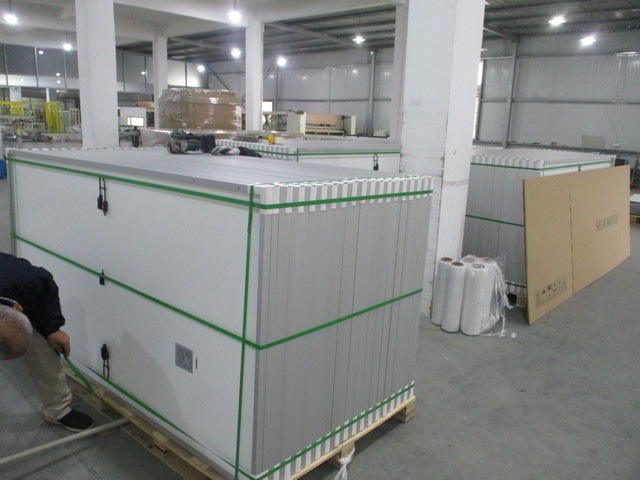
Through vertically integrated ingot, wafer, cell, and module production, we mitigate supply chain disruptions. By manufacturing and exporting directly from our hubs in China to the port of Santos, we guarantee price stability, reliable delivery schedules, and clear batch traceability. This ensures compliance with international quality assessments and Brazil's Inmetro certification standards.
A professional solar power system supplier based in Hangzhou, China, dedicated to delivering efficient and sustainable energy solutions for global customers.
Hangzhou Smart Energy Co., Ltd. specializes in the design, manufacturing, and integration of residential, commercial, and hybrid energy storage systems, helping users achieve energy independence and reduce electricity costs.
With a comprehensive product portfolio, Smart Energy offers high-performance solar panels, advanced inverters, and reliable battery storage systems, all engineered to ensure optimal efficiency and long-term durability. Its solutions are widely applied in homes, commercial facilities, industrial projects, and off-grid applications, adapting to diverse energy demands and environmental conditions.
Driven by innovation and quality, the company utilizes modern production technologies and strict quality control processes to meet international standards. Its experienced engineering team provides customized system design, technical support, and turnkey project solutions tailored to client requirements.
Hangzhou Smart Energy is committed to promoting clean energy adoption worldwide. By combining smart energy management with scalable solar technologies, the company empowers customers to build greener, more efficient, and future-ready power systems.
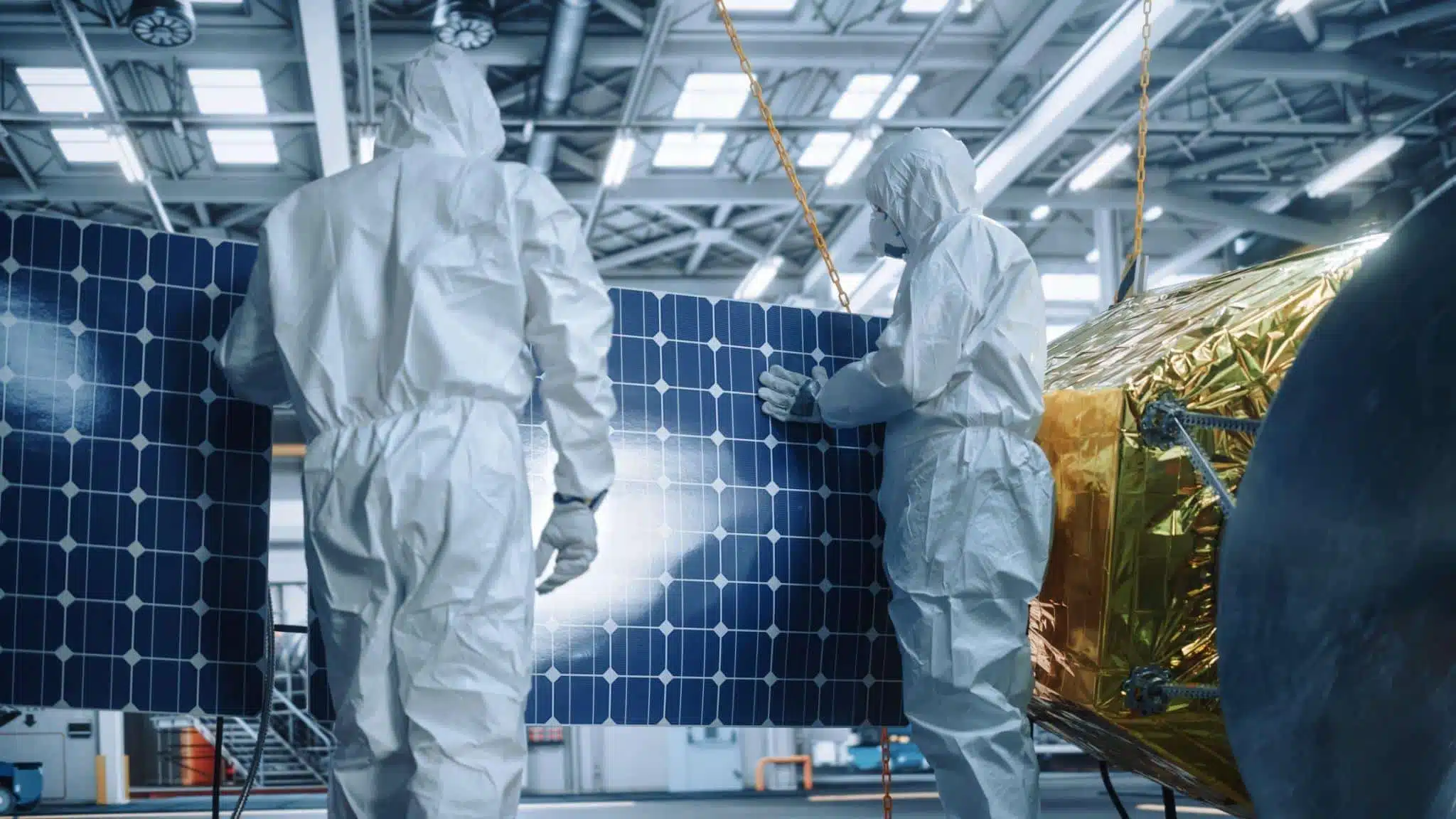
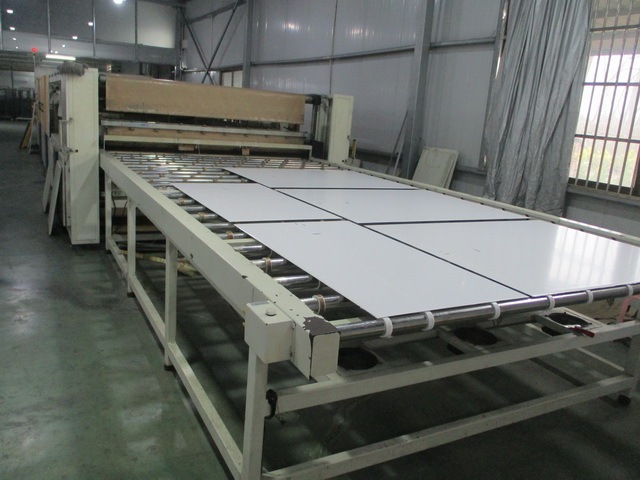
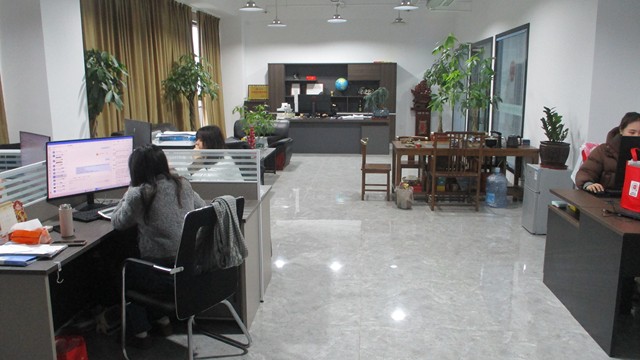
Direct visual insight into our state-of-the-art manufacturing plants, quality testing cleanrooms, and shipping operations.
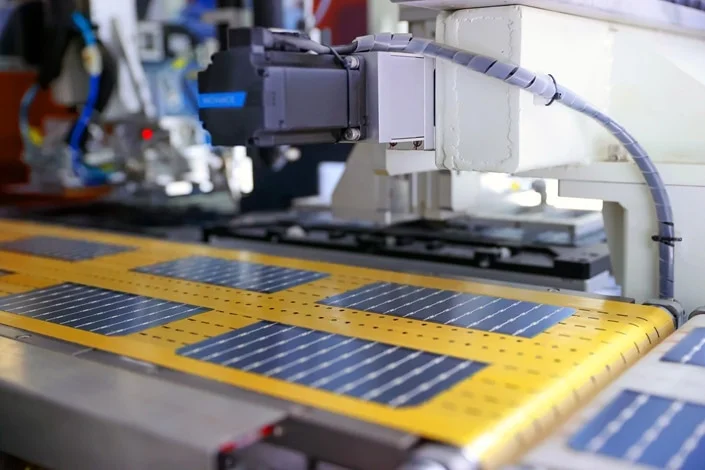
Critical engineering and trade answers for energy directors, EPC contractors, and procurement managers.
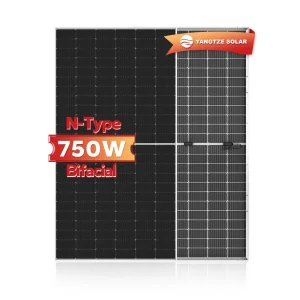
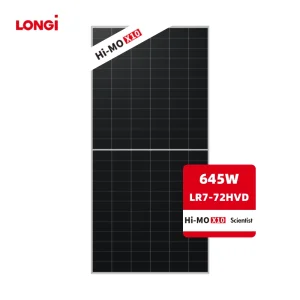
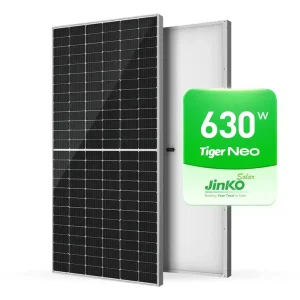
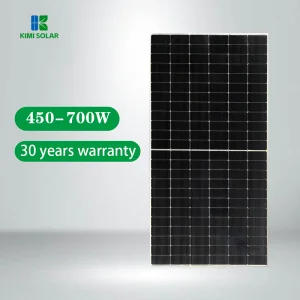
Explore our full line of commercial and industrial double-glass photovoltaic modules, shipped directly to São Paulo developers.
Contact our engineering and logistics specialists today to receive custom drawings, factory data, and container-load FOB or CIF Santos shipping quotes.
 Smart Energy