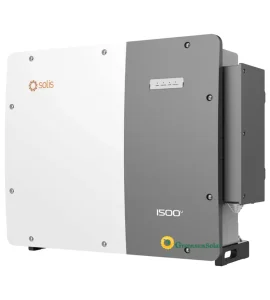
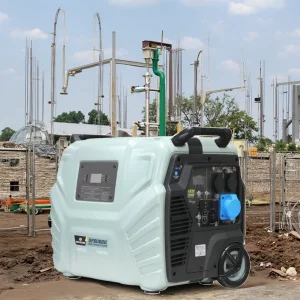
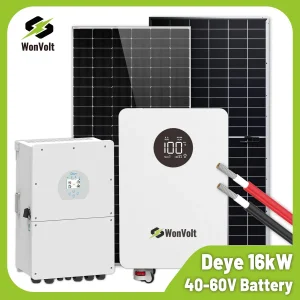
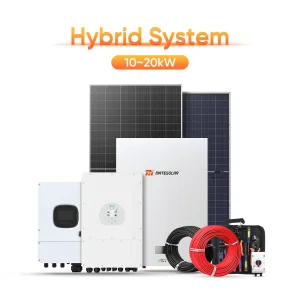
Premium solar components engineered to optimize power generation efficiency and integrate seamlessly with modern smart tracking tracking architectures.
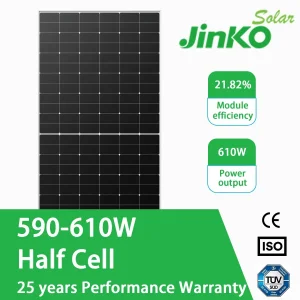
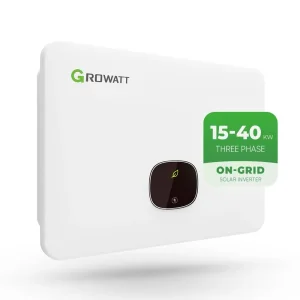
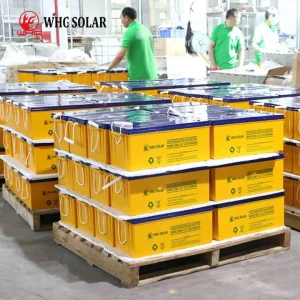
Why the global solar infrastructure is shifting rapidly from fixed-tilt structures to intelligent, active solar trackers.
As solar installations expand globally, EPC (Engineering, Procurement, and Construction) companies and project developers are under immense pressure to drive down the Levelized Cost of Energy (LCOE). Fixed-tilt mounting structures, while structurally simple, limit the energy output curve of photovoltaic modules. Solar tracking systems (single-axis and dual-axis) resolve this constraint by adjusting panel angles throughout the day, following the sun's trajectory. This yields an energy generation boost ranging from 15% to over 35% depending on the geographical latitude and environmental albedo.
By shifting the tracking paradigm from astronomical algorithms to active AI closed-loop sensor networks, developers minimize structural failure risk while maximizing system performance metrics.
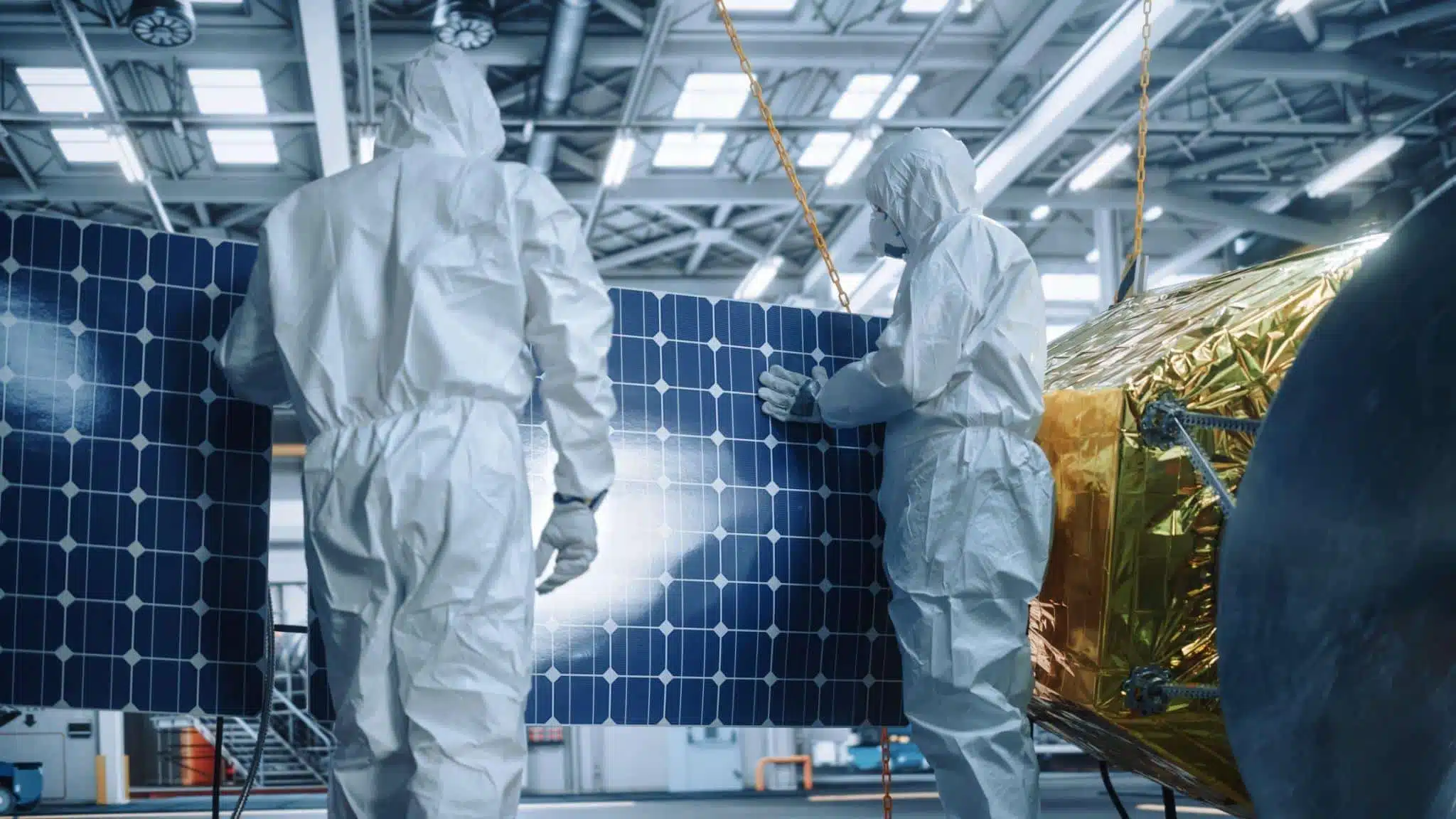
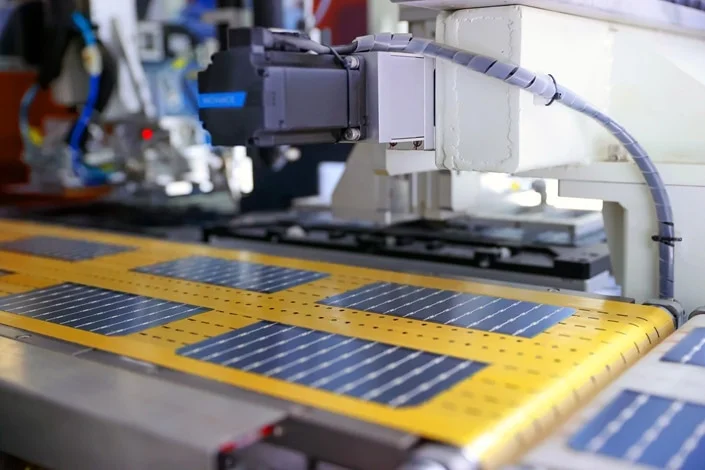
Hangzhou Smart Energy Co., Ltd. is a professional solar power system supplier based in Hangzhou, China, dedicated to delivering efficient and sustainable energy solutions for global customers. The company specializes in the design, manufacturing, and integration of residential, commercial, and hybrid energy storage systems, helping users achieve energy independence and reduce electricity costs.
With a comprehensive product portfolio, Smart Energy offers high-performance solar panels, advanced inverters, and reliable battery storage systems, all engineered to ensure optimal efficiency and long-term durability. Its solutions are widely applied in homes, commercial facilities, industrial projects, and off-grid applications, adapting to diverse energy demands and environmental conditions.
Driven by innovation and quality, the company utilizes modern production technologies and strict quality control processes to meet international standards. Its experienced engineering team provides customized system design, technical support, and turnkey project solutions tailored to client requirements.
Hangzhou Smart Energy is committed to promoting clean energy adoption worldwide. By combining smart energy management with scalable solar technologies, the company empowers customers to build greener, more efficient, and future-ready power systems.
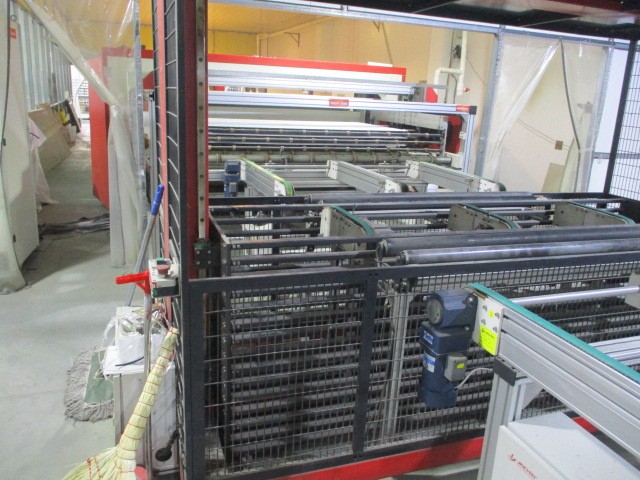
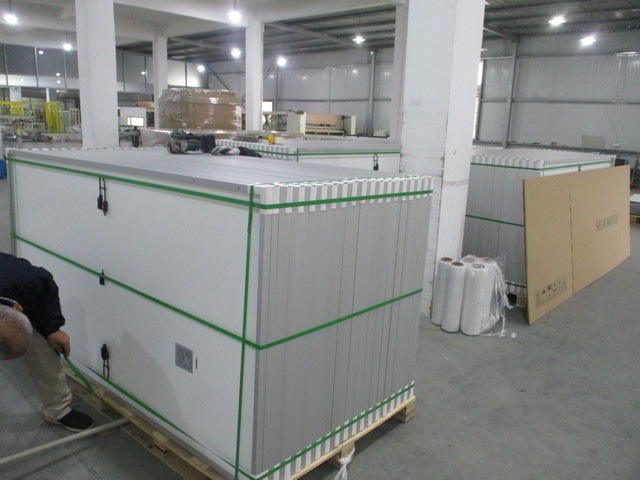
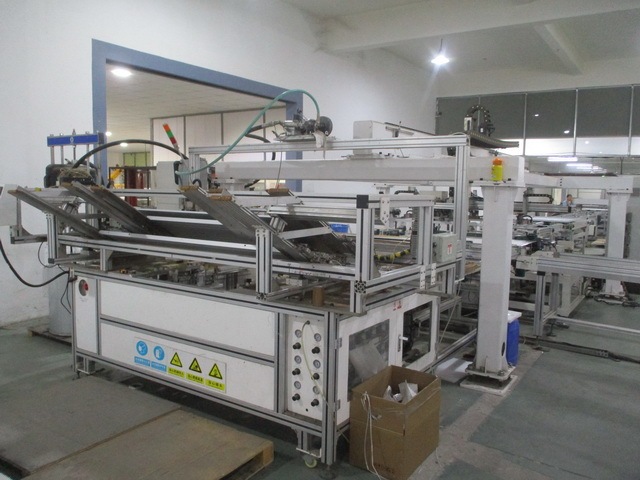
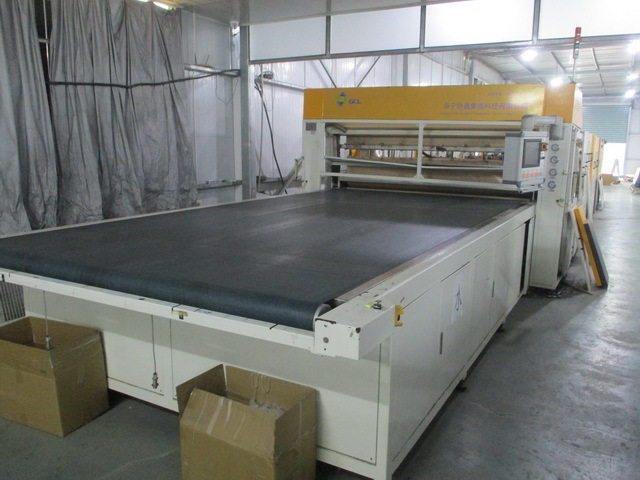
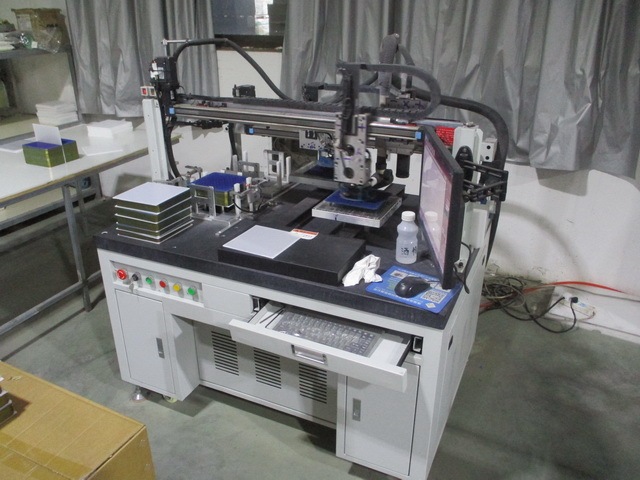
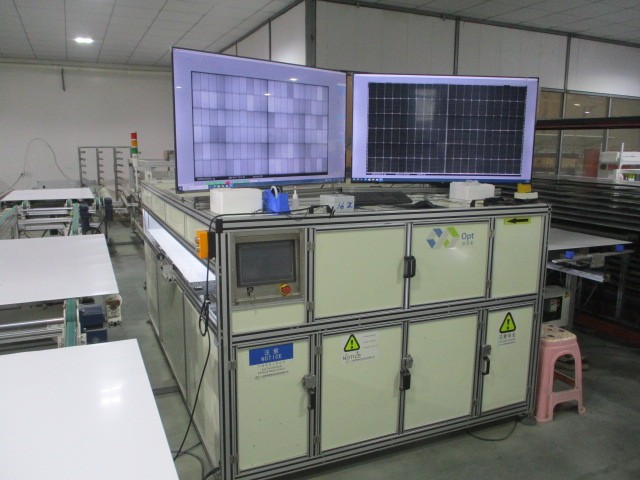
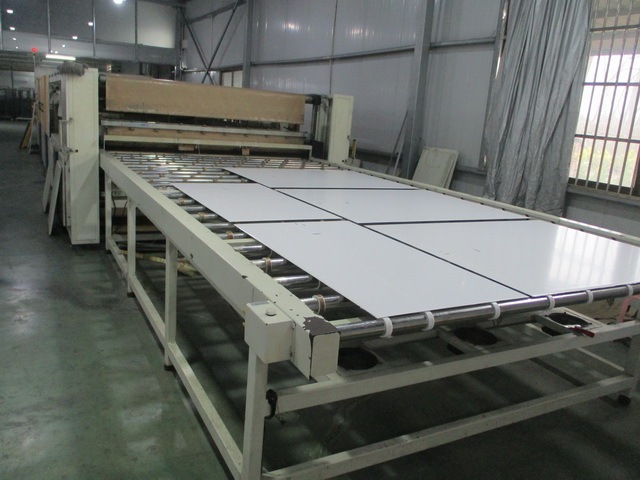
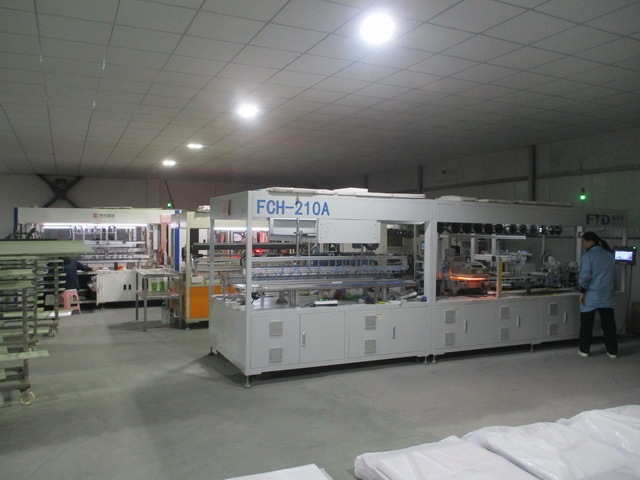
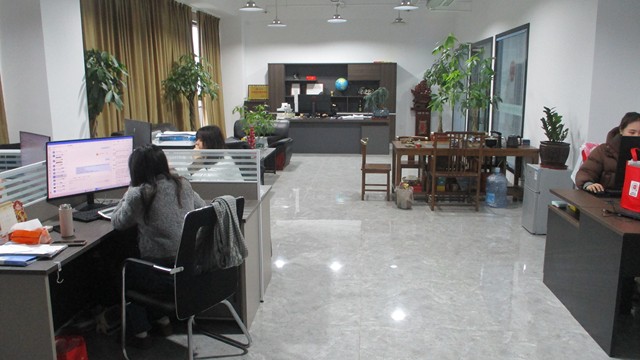
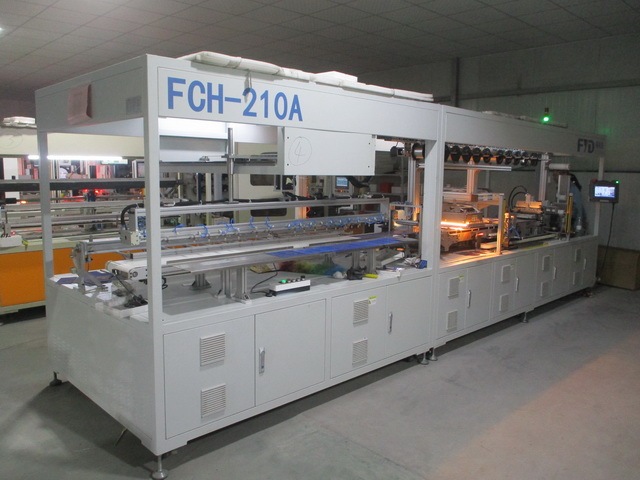
Evaluating industry giants, specialized suppliers, and advanced manufacturing factories based on market share, innovation, reliability, and bankability.
As the global market share leader, Nextracker offers state-of-the-art utility tracker technology. Renowned for its NX Horizon single-axis tracker, it leverages independent-row architecture allowing for optimal site adaptability, intelligent backtracking algorithms (TrueCapture), and heavy-wind self-protection mechanics.
Array Technologies is a pioneer in centralized mechanical drive solar trackers. Their DuraTrack HZ v3 series uses a single motor driving multiple rows through rotating drivelines, reducing electrical components and dramatically lowering routine O&M costs in aggressive desert environments.
Arctech is a Chinese powerhouse dominating worldwide tracking solutions. Famous for their "SkyLine" and "SkySmart" trackers, they integrate multi-point drive mechanisms with high-clearance structures suitable for agricultural solar projects and complex terrains, supported by robust local manufacturing capability.
PVH (PV Hardware) is Europe's leading provider, holding major market share in the Middle East and EU. Their modular designs, particularly the Monoline and Axone series, utilize highly optimized metal alloy coatings that ensure resistance to corrosion, sand storms, and high wind shear.
Soltec is the market leader for 2P (two panels in portrait) tracking setups. Soltec's SF7 tracker maximizes utility-scale solar generation in low-space margins and offers custom algorithms tailored specifically to harvest rear-side energy output from bifacial solar panels.
Featuring the Genius Tracker, GameChange Solar has specialized in high-speed onsite installation and structural wind tolerance. Their pre-assembled components dramatically reduce EPC labor costs and speed up deployment cycles in large utility portfolios.
Backed by Trina Solar, NClave fuses European engineering pedigree with the massive industrial supply chain scaling of China. They specialize in multi-row and single-axis trackers tested vigorously in world-class wind tunnels to guarantee operational lifespan exceedances of 25 years.
Valmont's acquisition of Convert Tracker positions them uniquely as specialists in structural steel and rugged power-generating components. Their trackers are designed to function reliably in mountainous, uneven topographies and agricultural fields.
Known for precision German engineering, Schletter produces tracking solutions characterized by rigid mechanical lock mechanisms. They prevent torsional flutter at high wind speeds, protecting modern ultra-thin glass-glass PV panels from micro-cracking.
Fusing custom integration capabilities with direct factory access, Hangzhou Smart Energy delivers optimized racking, trackers, and balance-of-system (BOS) components globally. By coordinating tracker mechanical setups with advanced smart string inverters and energy storage configurations, they provide developers with an all-in-one system design approach, driving down capital expenditure (CapEx) and operational risks.
Analyzing the vertical supply chain integration, raw material availability, and manufacturing scalability that make China the epicentre of PV trackers.
A solar tracker's structural stability depends heavily on galvanized torque tubes, purlins, and heavy-duty slewing drives. Chinese factories are located next to major steel and metallurgy clusters. This proximity guarantees constant access to high-grade carbon steel and hot-dip galvanization facilities, allowing manufacturers to offer competitive pricing unaffected by volatile international transport costs of heavy raw components.
The core mechanical component of any solar tracker is the slewing drive. Chinese manufacturers have optimized dual-axis worm gears and slewing drives using dust-proof, moisture-proof IP66 or IP67 enclosures. These designs endure dry desert environments, keeping gears free from debris and preventing motor failure.
For utility-scale solar farms scaling past 500MW, delivery delays translate directly to grid connection penalties. Chinese factories operate automated steel laser-cutting machines, robotic welding arrays, and high-speed stamping presses. They can process and output hundreds of megawatts of custom torque tube configurations within weeks, a metric unmatched by western fabricators.
Tier-1 Chinese factories ensure compliance with global certifications including UL 3703 (Standard for Solar Trackers), IEC 62817 (Design Qualification of Solar Trackers), and ISO 9001. This alignment guarantees that local tracker architectures pass bankability assessments by global engineering advisors and financial institutions.
Evaluating technical shifts: AI-based backtracking, wind tunnel dynamic analysis, and geographical localization.
Traditional trackers use astronomical positioning to face the sun. Under cloudy conditions, however, this leads to shading loss. Intelligent tracking utilizes AI algorithms to perform active backtracking adjustments based on diffuse radiation and real-time topographical slopes, minimizing inter-row shadow casts and maximizing real-world performance.
Wind-induced structural instability (flutter) can tear PV modules off tracker tubes. Leading suppliers employ wind tunnel testing to design trackers with specialized dampening systems. When wind speeds exceed safe thresholds, trackers stow automatically into low-drag positions (typically 0 to 45 degrees depending on mechanical models).
Aligning trackers with bifacial modules requires engineering considerations that prevent shading on the module's back-side. Torque tubes must be placed at a distance or configured in a 2-Portrait (2P) layout to avoid cast shadowing, maximizing power output from the ground surface albedo.
Tailoring tracking structures to specific environmental hazards and topographical requirements.
In regions like Northern Europe or Canada, heavy snow accumulation on panels creates structural load hazards. Smart trackers are programmed with a "Snow Shedding Mode", rotating panels to steep angles during snowfall to slide the accumulation off. This prevents mounting collapse and quickly restores system generation.
Middle Eastern projects face severe ambient temperatures, sandstorms, and dust accumulation. Trackers here require high-grade hot-dip galvanized coatings (Zandz-magnesium coatings) and motor seals with high IP-ratings. Integrating automatic robotic panel cleaning cycles that run along the tracking structural axes is crucial.
Flat land is increasingly scarce. Projects in mountainous areas require independent-row trackers that tolerate east-west and north-south structural slopes. Multi-point drive mechanisms allow single rows to bend slightly or adjust dynamically without mechanical failure.
Combining agriculture with clean energy generation requires high-clearance tracker designs. This layout enables farming machinery to operate underneath the panels. The tracking controllers program tracking angles that optimize light penetration to the crops below, ensuring balanced land productivity.
Deep technical answers to assist developers, EPC managers, and system integration specialists during planning and evaluation.
Single-axis trackers follow the sun east-to-west and typically provide a 15% to 25% energy yield increase compared to fixed-tilt mounting systems. Dual-axis trackers adjust panels on two axes (east-west and north-south), increasing yield by up to 35% or 40%. However, because dual-axis systems introduce higher mechanical complexity, require more maintenance, and demand larger installation margins to prevent inter-row shading, single-axis configurations remain the preferred option for utility-scale solar farms due to their superior ROI.
Trackers mitigate high wind loads through mechanical wind sensors (anemometers) connected to a centralized SCADA control unit. When wind speeds cross predefined limits (e.g., above 18-22 m/s), the controller sends commands to tilt the tracker modules to a horizontal or low-angle aerodynamic stow position. Advanced structural dampers and multi-point drive locks prevent torsional flutter, ensuring the tracking tubes do not twist or crack the silicon cells of the solar modules.
Bankability refers to a financial institution's willingness to fund a project using a specific tracker. It is determined by certifications (UL 3703, IEC 62817), wind tunnel tests conducted by independent laboratories like CPP or RWDI, and engineering evaluations by firms like DNV GL, Black & Veatch, or TÜV SÜD. System components must guarantee low failure rates and maintain reliable power output for at least 25 years.
Sourcing directly from Chinese factories yields lower capital costs due to vertical integration of raw materials, automated laser cutting, and robotic manufacturing processes. These factories can scale output to meet short shipping deadlines. In addition, integration with components like those offered by Hangzhou Smart Energy Co., Ltd. ensures that mounting structures, inverters, and battery systems operate together efficiently, avoiding compatibility issues.
Discover our comprehensive collection of solar panels, portable generators, residential batteries, and large-scale mounting systems.
 Smart Energy