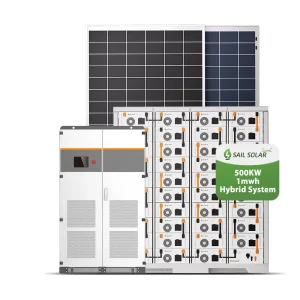
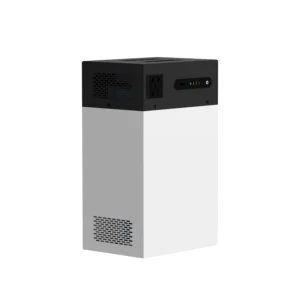
Explore our integrated PV system modules, energy storage systems, and advanced power management interfaces engineered for residential and utility-scale deployments.
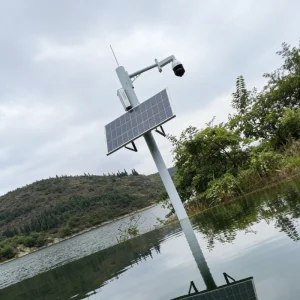
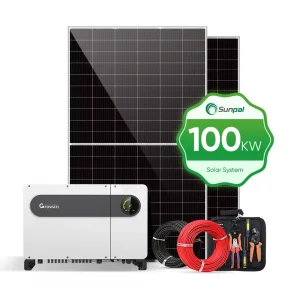
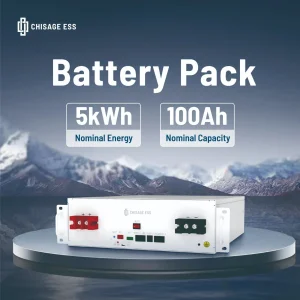
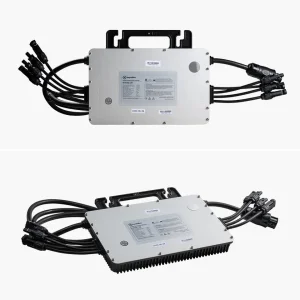
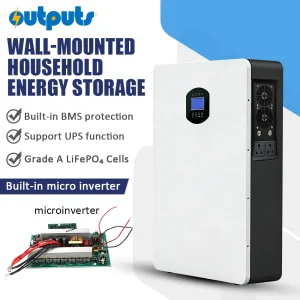
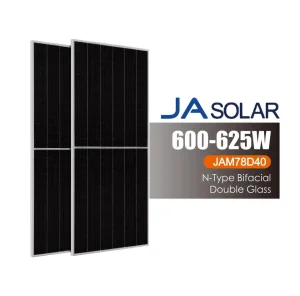
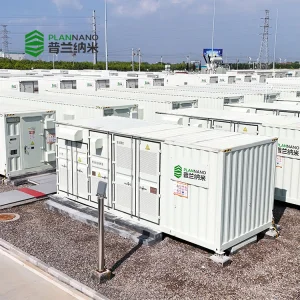
Hangzhou Smart Energy Co., Ltd. is a professional solar power system supplier based in Hangzhou, China, dedicated to delivering efficient and sustainable energy solutions for global customers. The company specializes in the design, manufacturing, and integration of residential, commercial, and hybrid energy storage systems, helping users achieve energy independence and reduce electricity costs.
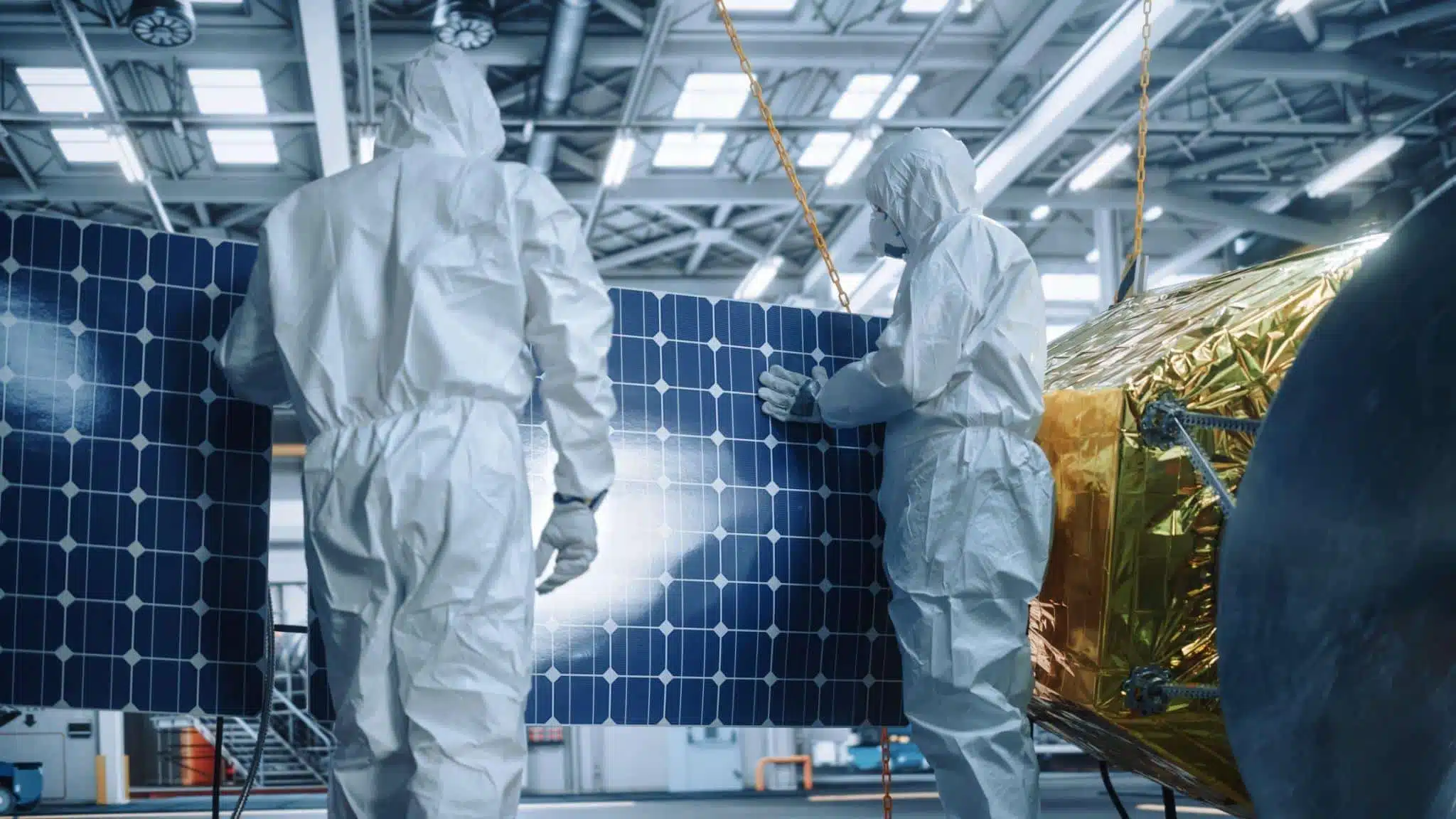
With a comprehensive product portfolio, Smart Energy offers high-performance solar panels, advanced inverters, and reliable battery storage systems, all engineered to ensure optimal efficiency and long-term durability. Its solutions are widely applied in homes, commercial facilities, industrial projects, and off-grid applications, adapting to diverse energy demands and environmental conditions.
Driven by innovation and quality, the company utilizes modern production technologies and strict quality control processes to meet international standards. Its experienced engineering team provides customized system design, technical support, and turnkey project solutions tailored to client requirements.
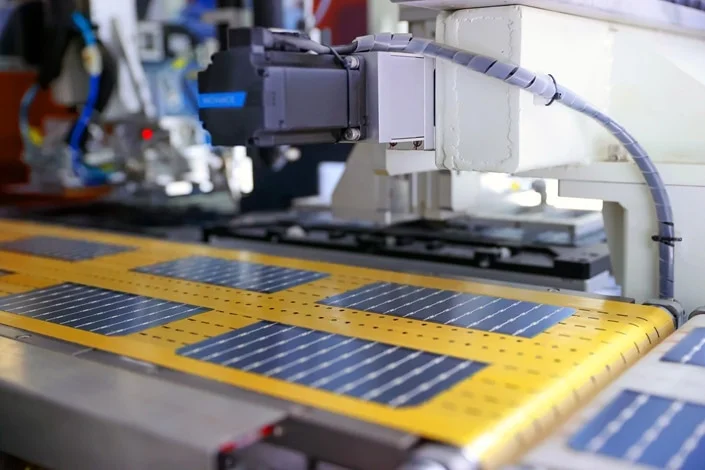
Hangzhou Smart Energy is committed to promoting clean energy adoption worldwide. By combining smart energy management with scalable solar technologies, the company empowers customers to build greener, more efficient, and future-ready power systems.
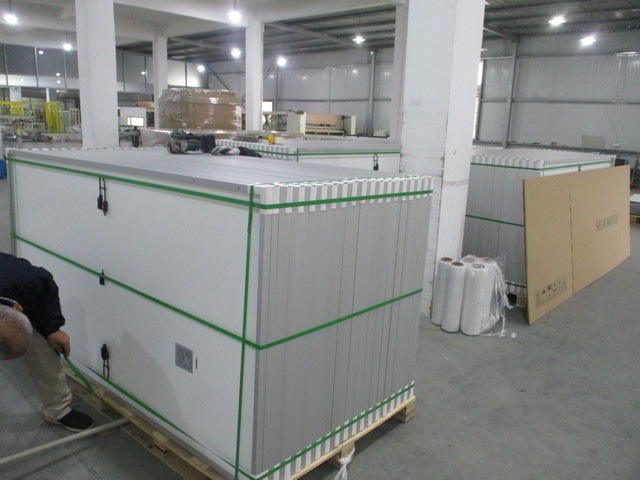
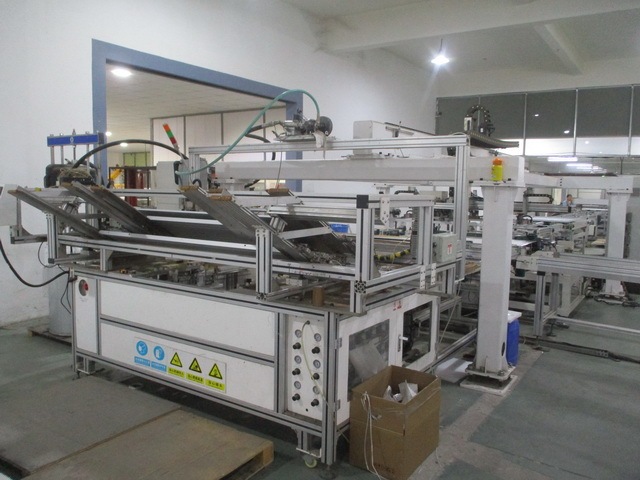
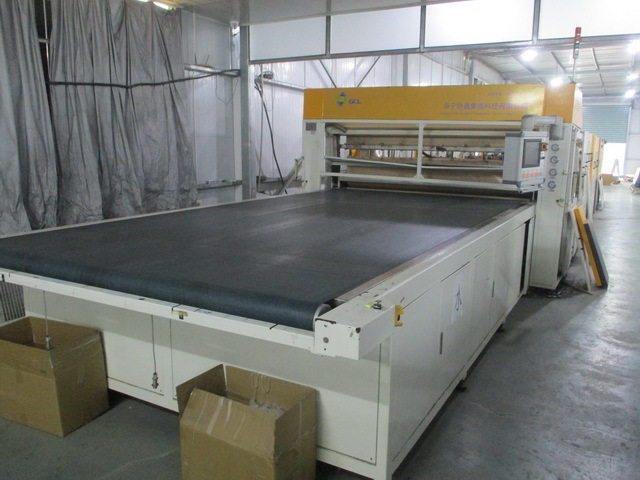
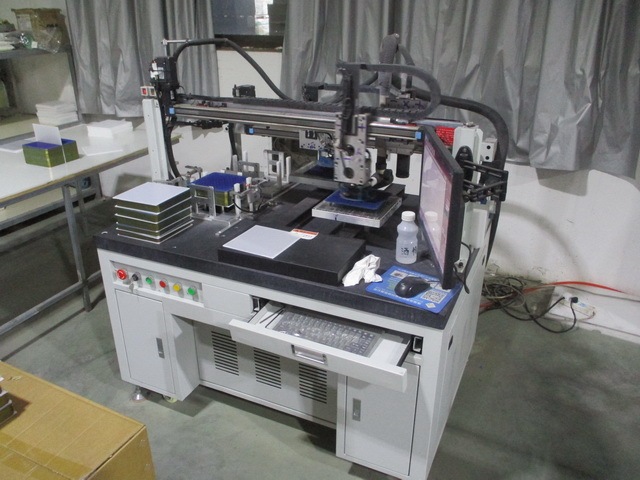
In utility-scale photovoltaic infrastructure, the Solar Panel Mounting System represents the structural backbone that determines the mechanical safety, operational durability, and levelized cost of energy (LCOE) of the installation. While solar panels convert photons to electrons and inverters process voltage, the racking structures bear the continuous structural loading of environmental elements for more than 25 to 30 years.
CE Certification (specifically compliance with EN 1090-1, EN 1991 (Eurocode 1), and EN 1999 (Eurocode 9)) is not a mere bureaucratic checkmark. It is a rigorous validation of a structure's ability to withstand dynamic wind forces, seismic accelerations, static snow accumulation, and corrosion rates. For global EPC contractors and financial underwriters, utilizing structural components without validated European Conformity (CE) indicators presents significant systemic risks, potentially voiding insurance warranties and asset safety clearances.
Engineered to resist wind speeds up to 60m/s and heavy snow loads up to 1.6 KN/m² through strict Finite Element Analysis (FEA).
Manufactured using anodized AL6005-T5 and hot-dip galvanized steel (Q235B/Q355B) with coating thicknesses exceeding 85μm.
Complies with international codes including Eurocode, AS/NZS 1170, and IBC, facilitating global engineering approvals.
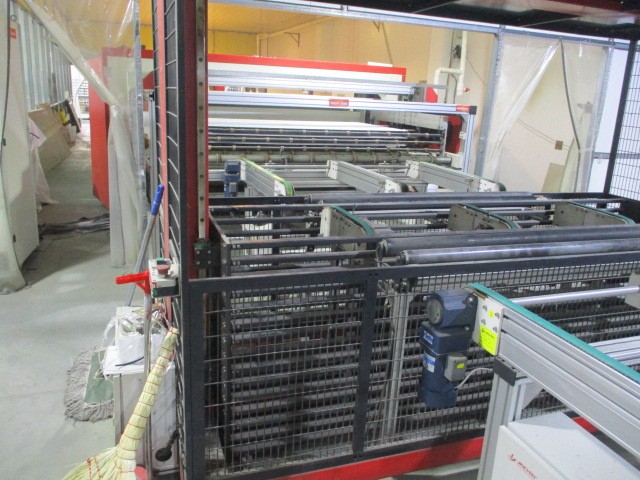
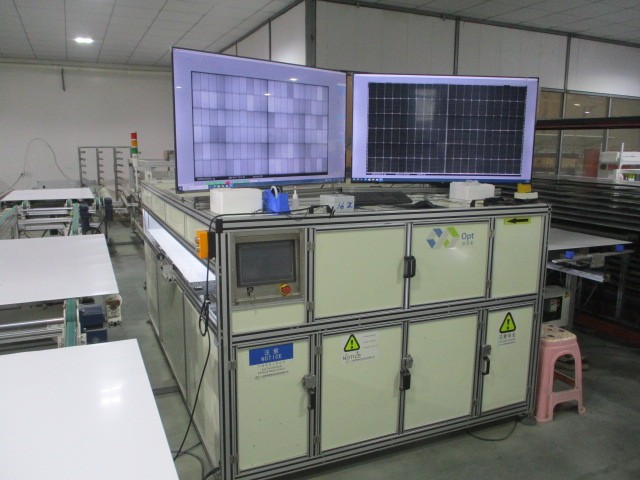
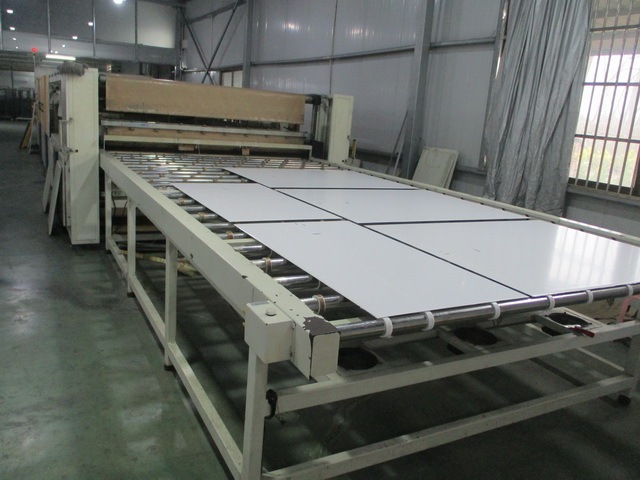
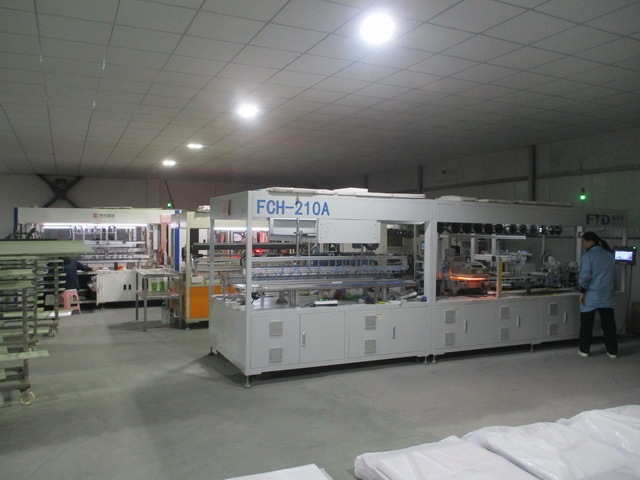
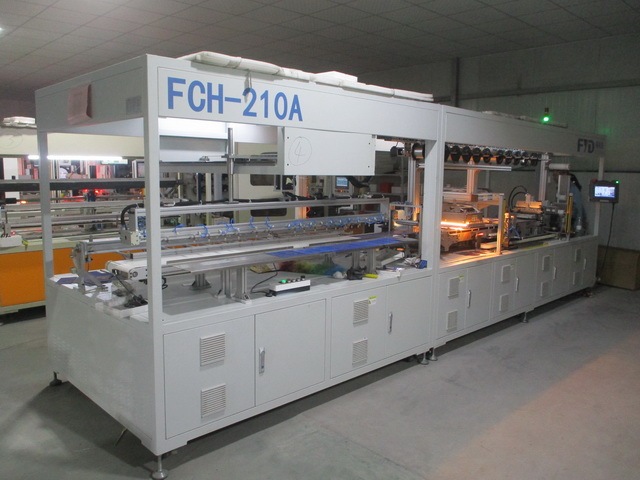
Our manufacturing protocol leverages advanced robotic welding, high-speed automated extrusion lines, and comprehensive quality assurance testing. Every batch of raw material undergoes spectroscopic chemical composition verification and tensile strength tests prior to processing, maintaining a high-fidelity audit trail essential for bankable solar projects.
The concentration of advanced metallurgy, automated tooling, and comprehensive supply chains in Zhejiang and surrounding industrial hubs allows Hangzhou Smart Energy to deliver mounting solutions that balance economic and technical performance. The industrial integration in China provides specific advantages that cannot be replicated in isolated production facilities globally:
We source high-grade raw billets from local state-operated smelters. Our close proximity to domestic aluminum extrusion hubs ensures that we can secure AL6005-T5 alloys with consistent chemical profiles, minimizing trace impurities that compromise structural integrity over decadal lifecycles.
Corrosion protection is critical for mounting systems. Proximity to advanced surface treatment infrastructure allows us to execute state-of-the-art hot-dip galvanizing and anodizing processes. Our steel structural components receive a uniform zinc coating exceeding 85 microns, conforming to ISO 1461, ensuring resistance to aggressive atmospheric conditions found in coastal and desert deployment locations.
Our manufacturing lines feature automated multi-spindle punching matrices, automated cold roll-forming lines, and robotic welding stations. Automated fabrication ensures dimensional tolerance controls down to ±0.5mm, reducing field-assembly deviations and installation times for onsite construction teams.
Solar installations span diverse locations, from high-wind utility arrays on flat deserts to residential rooftop systems. Hangzhou Smart Energy designs customized structural mounting solutions to meet these distinct demands:
| System Classification | Primary Application Site | Material Specification | Wind & Snow Load Limit |
|---|---|---|---|
| Ground Mount (Single/Double Post) | Utility-Scale Solar Farms | Hot-Dip Galvanized Q355B / AL6005-T5 | Wind ≤ 60m/s, Snow ≤ 1.6 KN/m² |
| Ballasted Flat Roof Mount | C&I Rooftops (Non-Penetrative) | Anodized Aluminum 6005-T5 | Wind ≤ 45m/s, Snow ≤ 1.2 KN/m² |
| Pitched Roof (Tile/Tin Hook) | Residential & Commercial Roofs | SUS304 Stainless Steel & AL6005-T5 | Wind ≤ 50m/s, Snow ≤ 1.4 KN/m² |
| BIPV & Carport Structures | Urban Infrastructure Integration | High-strength Structural Steel | Wind ≤ 40m/s, Snow ≤ 1.0 KN/m² |
Engineered for rapid field assembly, our ground mounts use rammed post profiles or concrete foundation anchors. Our structural configurations accommodate both fixed-tilt requirements and compatibility with modern tracking systems, optimizing dynamic tracking angles while resisting torsional fluttering induced by crosswinds.
Commercial roofs require structural stability without compromising the integrity of waterproofing membranes. Our non-penetrative ballasted systems use wind deflector shields to reduce overall uplift forces, decreasing the required dead weight of concrete ballast blocks while ensuring safety and compliance.
The solar mounting sector is evolving from simple static hardware support toward smart, integrated engineering systems. This transition is shaped by three main trends:
As module sizes expand to 700W+ (such as HJT Bifacial designs), the surface area of arrays increases significantly, creating higher wind loads. Standard static calculations are no longer sufficient. Modern designs require dynamic wind tunnel testing and Aeroelastic Instability Simulations to prevent torsional flutter, ensuring the safety of large-format bifacial systems.
Global EPCs are prioritizing low-carbon supply chains. In response, we are integrating recycled aluminum and low-emissions green steel into our manufacturing loops, helping project developers minimize the Scope 3 emissions profile of their solar projects.
Faced with rising global labor costs, our engineering department focuses on high pre-assembly designs. By pre-fitting components like mid-clamps, end-clamps, and base supports at our factory, we reduce onsite assembly labor by up to 35%, helping contractors complete projects faster.
For procurement directors managing utility-scale installations, evaluating a mounting supplier involves reviewing comprehensive technical, financial, and logistical capabilities. We support this vetting process with the following service standards:
Technical clarifications on wind loads, corrosion resistance, material choices, and certification standards.
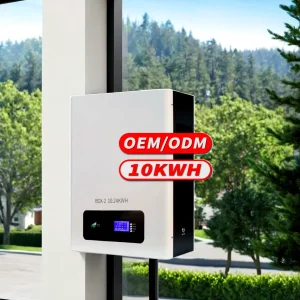
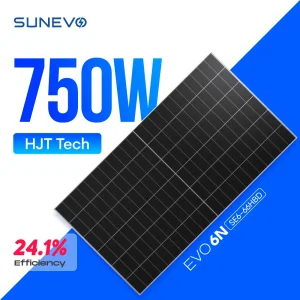
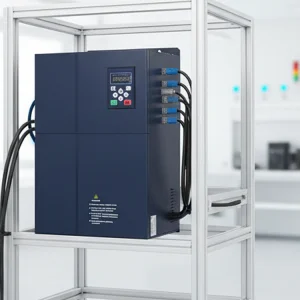
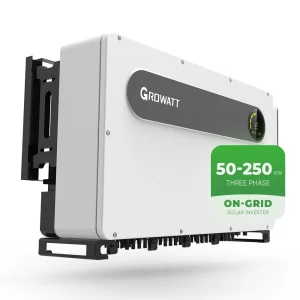
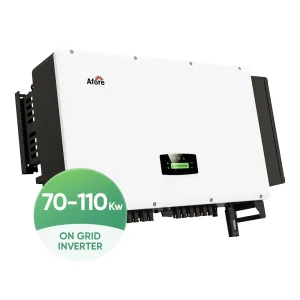
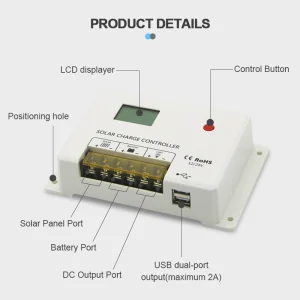
A comprehensive selection of our heavy-duty power storage modules, industrial on-grid inverters, and high-capacity battery units.
 Smart Energy