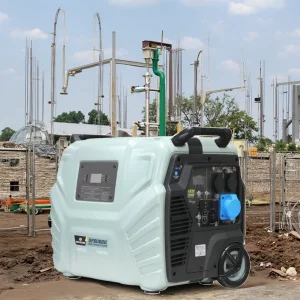
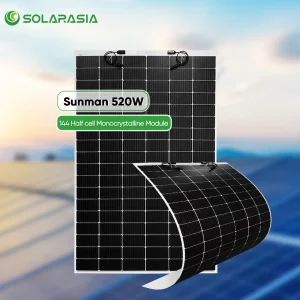
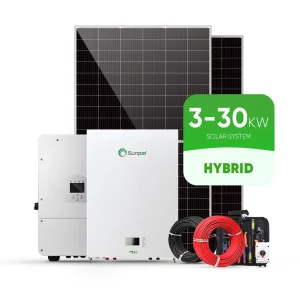
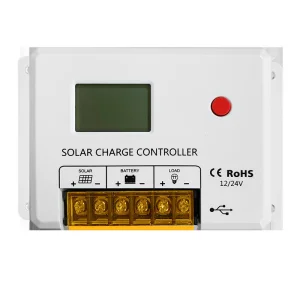
Explore our foundational photovoltaic modules, high-efficiency MPPT tracking controllers, and heavy-duty portable generator units.
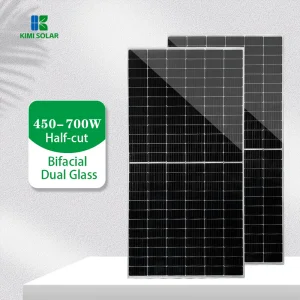
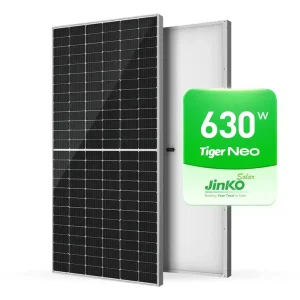
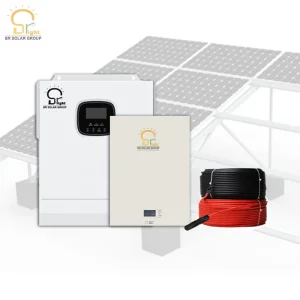
Hangzhou Smart Energy Co., Ltd. is a professional solar power system supplier based in Hangzhou, China, dedicated to delivering efficient and sustainable energy solutions for global customers. The company specializes in the design, manufacturing, and integration of residential, commercial, and hybrid energy storage systems, helping users achieve energy independence and reduce electricity costs.
With a comprehensive product portfolio, Smart Energy offers high-performance solar panels, advanced inverters, and reliable battery storage systems, all engineered to ensure optimal efficiency and long-term durability. Its solutions are widely applied in homes, commercial facilities, industrial projects, and off-grid applications, adapting to diverse energy demands and environmental conditions.
Driven by innovation and quality, the company utilizes modern production technologies and strict quality control processes to meet international standards. Its experienced engineering team provides customized system design, technical support, and turnkey project solutions tailored to client requirements.
The global energy paradigm is shifting rapidly from passive centralized power generation to dynamic, bi-directional distributed energy resource (DER) networks. In this landscape, a Solar Energy Management System (SEMS) is no longer just a passive hardware layer; it is the intelligence center of modern clean energy infrastructure. Originally, solar systems functioned as unidirectional feeds into public utility grids, but modern volatile tariff structures, demand-charge penalties, and grid stability rules demand smart orchestration.
Today's premium SEMS integrates advanced Edge Computing, Machine Learning (ML) weather prediction models, and real-time battery analytics to bridge the gap between volatile solar resource availability and load demands. A high-efficiency SEMS constantly balances solar inputs, local storage reserves (LiFePO4 setups), critical building loads, and the utility grid. By automating dynamic load-shedding and battery charge-discharge schedules, the system minimizes Levelized Cost of Energy (LCOE) while safeguarding facilities from power outages.
By shifting energy usage from high-tariff periods to solar peak generation windows, systems slash electricity costs. Intelligent load management predicts battery depletion rates, ensuring power reserves remain intact for critical system operations.
Equipped with communication interfaces such as Modbus-RTU, CAN, and RS485, modern systems coordinate directly with local utility grids. This enables micro-grids to act as Virtual Power Plants (VPPs), selling excess stored energy during peak grid distress.
Understanding the strict financial, operational, and regulatory benchmarks required by EPC projects and utility-scale installations.
Global operations mandate certifications like CE, UL 9540A (for thermal runaway in storage batteries), TUV Rheinland, and EU G99 grid compliance. Enterprise buyers verify safety protocols, high cycle lifetimes (6,000+ cycles at 80% DOD), and rigorous environmental ratings.
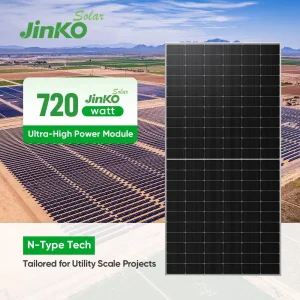
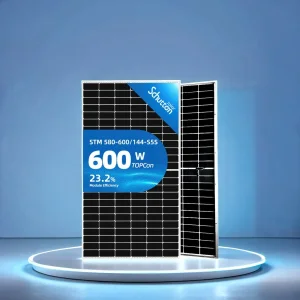
Buyers focus on the Levelized Cost of Energy. Maximizing conversion via high-efficiency N-type TOPCon or HPBC monocrystalline modules, coupled with high-tracking speed MPPT controllers, ensures the fastest capital return across a 25-year operational span.
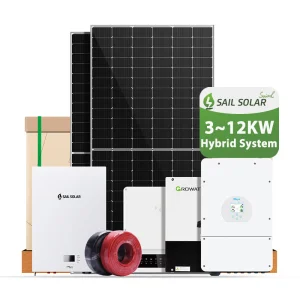
Modern developers avoid single-component sourcing due to interoperability risks. Suppliers providing complete all-in-one solutions—ranging from hybrid off-grid systems and high-power central inverters to customizable string arrays—win on integration speed.
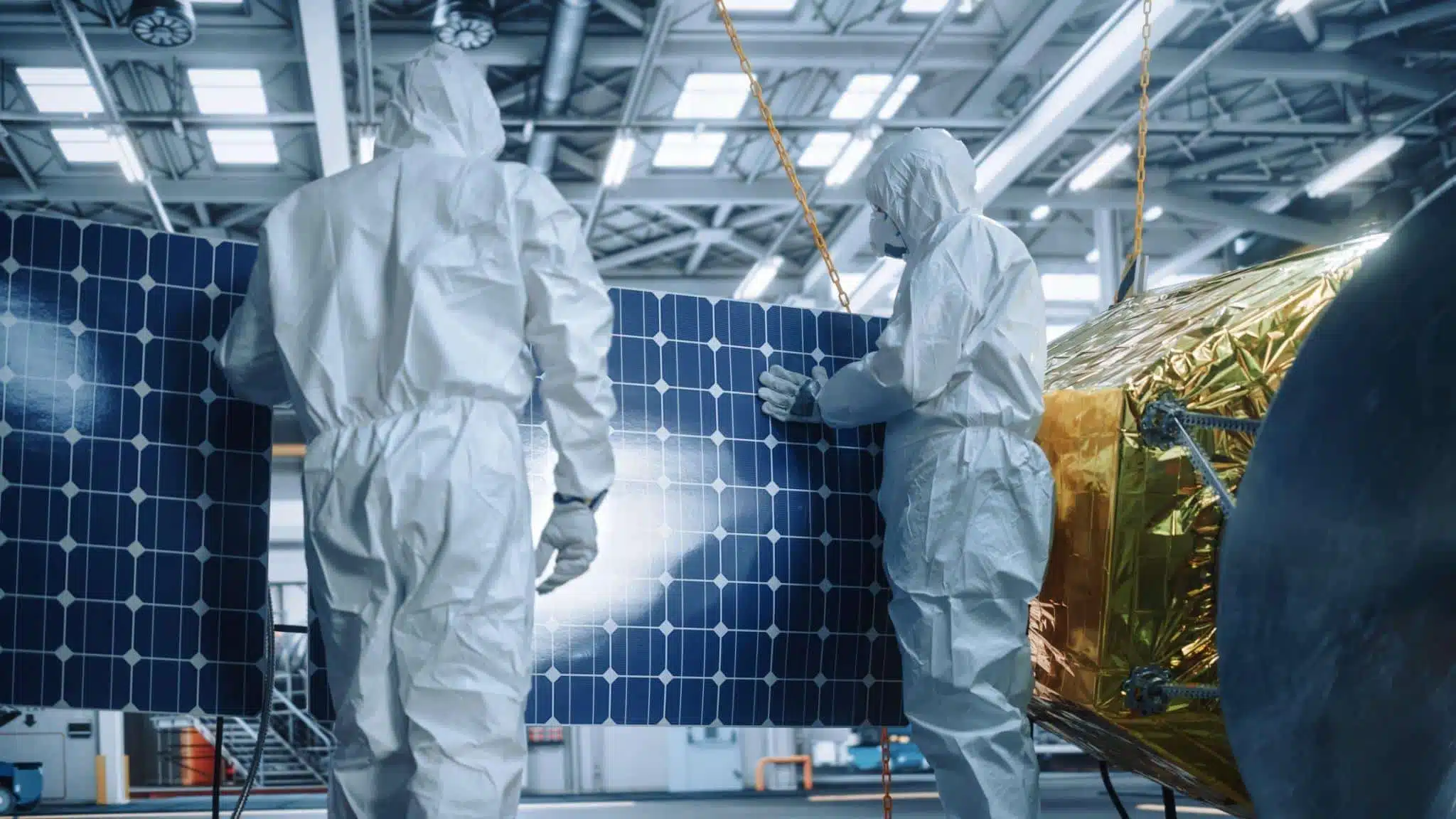
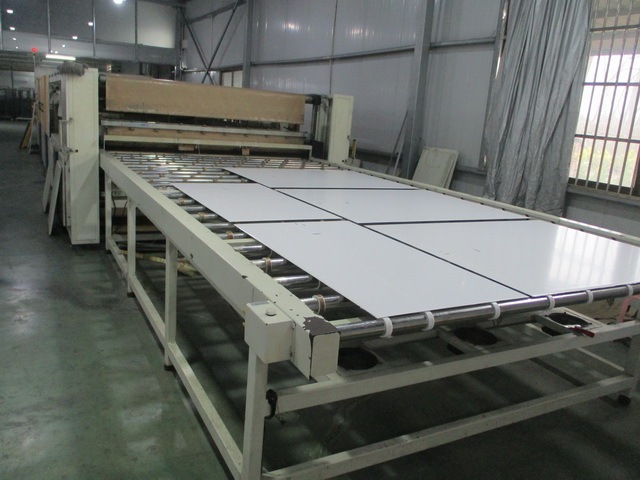
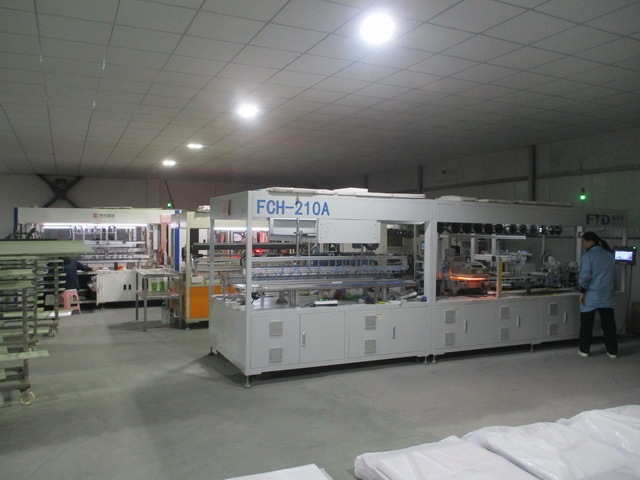
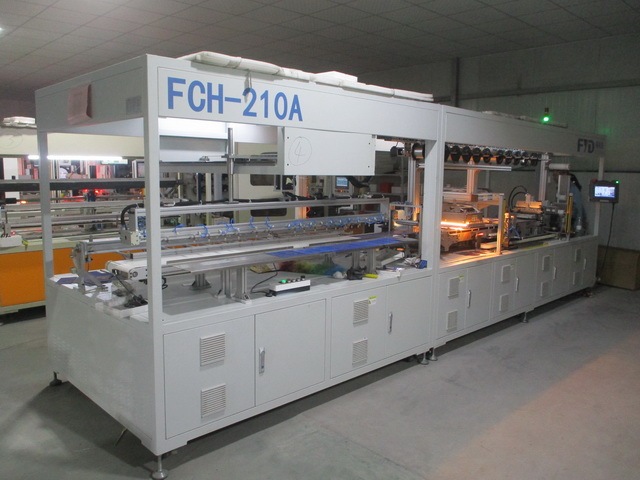
China's leadership in the global clean energy supply chain is built on vertical integration and advanced manufacturing technologies. From raw silicon processing and wafer ingot growth to thin-film cell architecture, smart battery cell assembly, and automated inverter test bays, China's solar industrial hubs bring together all components of the manufacturing cycle.
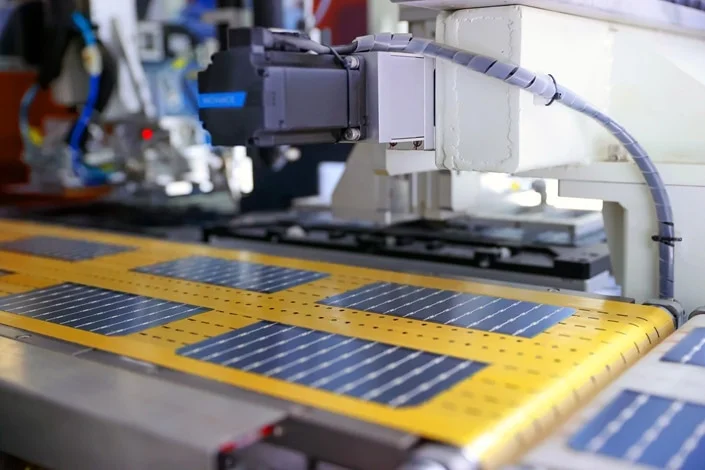
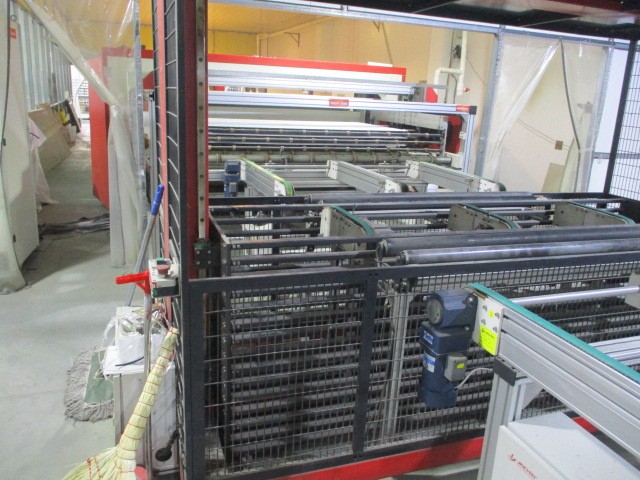
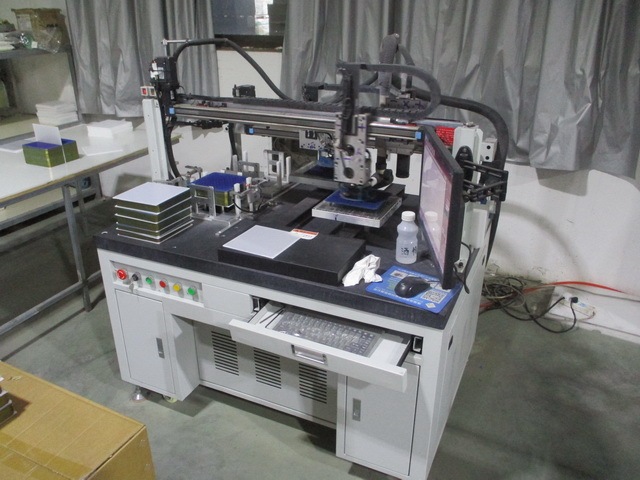
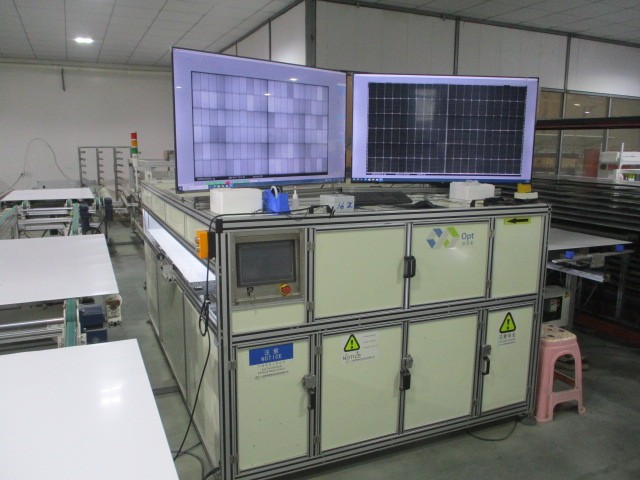
Our manufacturing facility in Hangzhou utilizes Industry 4.0 principles, integrating automated optical inspection (AOI), high-precision electroluminescence (EL) defect detection, and automated cell sorting systems. These systems verify that every monocrystalline solar module leaving our assembly line meets tight power output tolerances. By sourcing raw copper, aluminum frame components, semiconductor chips, and high-purity lithium iron phosphate cells from domestic industrial zones, we secure stable raw material supplies and insulate global buyers from sudden supply shocks.
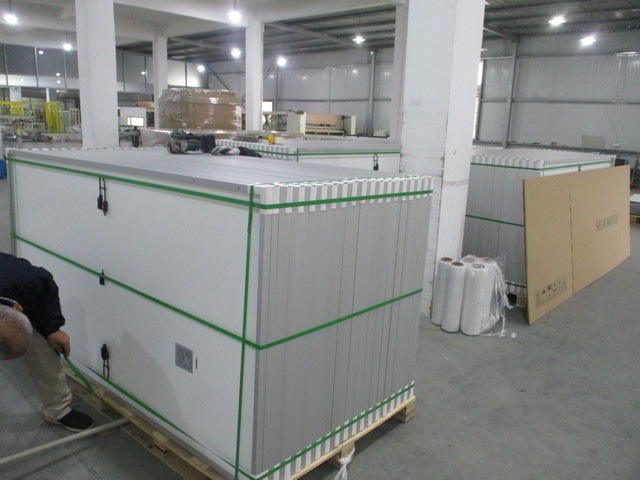
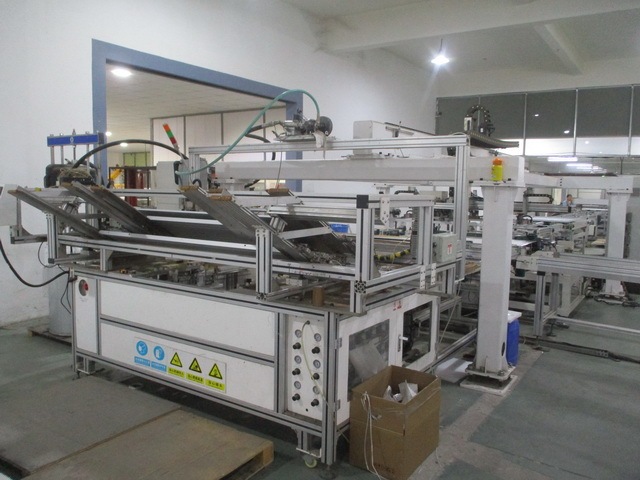
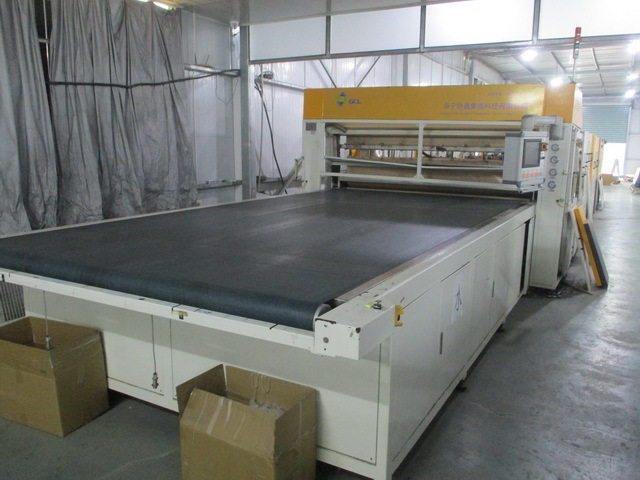
From decentralized home energy systems to megawatt-scale industrial microgrids, see how our customized solar ecosystems perform.
Manufacturing facilities suffer from high peak demand charges. By pairing our 250kW hybrid energy systems with high-density double-glass bifacial panels, factories store cheap morning solar power and discharge it during peak tariff hours. Integrated automatic transfer switches (ATS) shift operations to backup battery mode within 10 milliseconds during utility blackouts, preventing costly manufacturing downtime.
For residential areas with unstable grid access or high energy rates, our 5kW to 20kW all-in-one home energy storage kits provide complete energy independence. Using lightweight, high-yield flexible solar panels on complex roofs, homeowners power heating, air conditioning, and EV charging stations, monitoring energy flows via mobile applications.
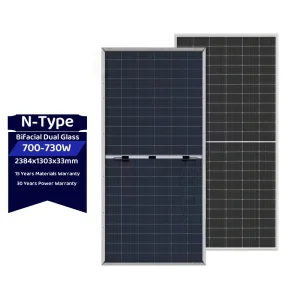
To select optimal system components, engineers analyze cell materials, structural framing, and thermodynamic limits. Bifacial Double Glass Panels capture solar radiation on both sides, generating up to 25% additional power from ground reflections (albedo effect) when installed over light-colored concrete or gravel. This dual-glass architecture provides robust defense against micro-cracks and potential induced degradation (PID) caused by humidity and heat.
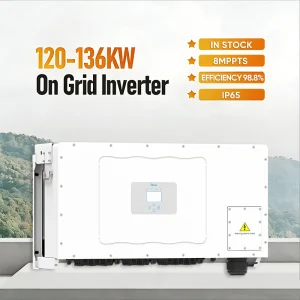
On the power conversion side, modern three-phase hybrid inverters utilize multi-channel Maximum Power Point Tracking (MPPT) inputs. This allows system designs with unequal string configurations and directional orientations, maximizing total yields. By using wide-bandgap silicon carbide (SiC) semiconductors, these inverters achieve peak efficiency metrics of 98.8%, minimizing thermal losses and thermal stresses within industrial enclosures.

Browse our selection of on-grid, off-grid, and hybrid string inverters alongside complete residential and industrial battery storage packages.
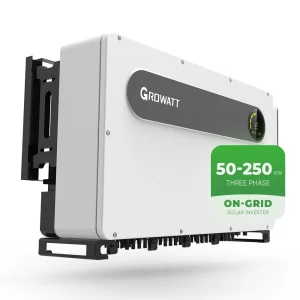
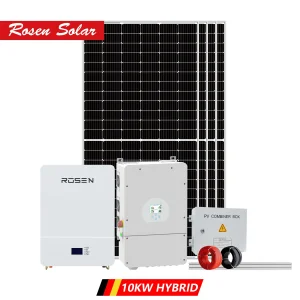
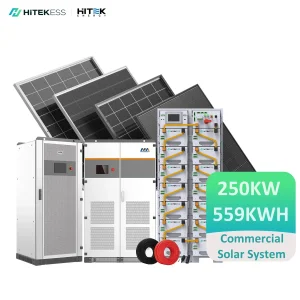
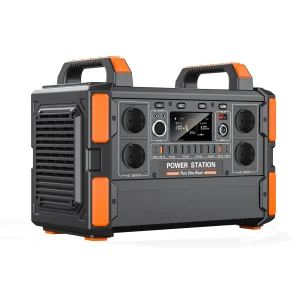
Crucial integration and procurement guidance addressing engineering challenges, system compatibility, and international compliance standards.
 Smart Energy