As the global demand for renewable energy grows, the question arises: is solar energy suitable for all climates? Solar technology continues to advance, making it a popular choice for many regions. However, the effectiveness of solar panels can vary significantly based on climatic conditions.
In sunny deserts, solar energy thrives. High solar irradiance maximizes output. Conversely, regions with heavy rainfall and cloudy skies may not benefit as much. These differences provoke essential discussions about solar energy’s viability. Can countries with less sun still harness its power effectively?
Moreover, adapting solar technology for diverse environments is imperative. Innovations like solar batteries can help store energy in cloudy regions. Yet, we must critically evaluate our approach. Reliance solely on solar may lead to energy shortages in certain climates. It’s crucial to consider local conditions and needs. This analysis will contribute to understanding the broader question: is solar energy suitable for all climates worldwide?
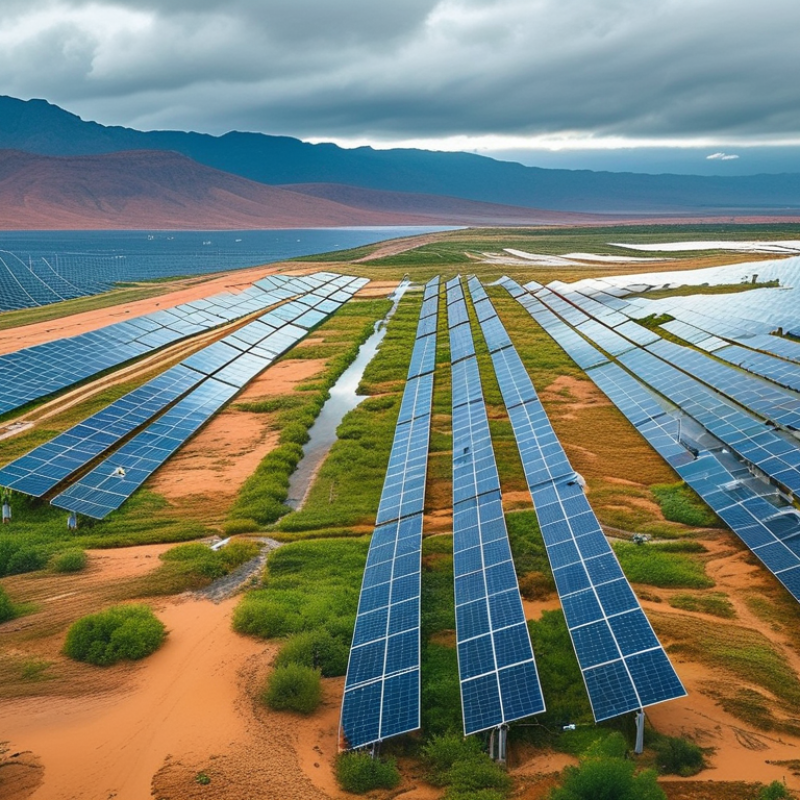
The Global Solar Radiation Map and Its Impact on Solar Suitability
Solar energy's viability is heavily influenced by geographical factors, including climate. The global solar radiation map reveals that regions near the equator receive more direct sunlight year-round. For instance, areas like the Sahara Desert enjoy over 3,000 hours of sunshine annually. In contrast, regions with constant cloud cover, such as parts of the Pacific Northwest, show significantly less solar irradiance, limiting solar energy potential.
The effectiveness of solar panels diminishes in low-sunlight regions. A study by the National Renewable Energy Laboratory found that solar installations in areas with less than 4 peak sun hours per day may yield only 60% of their rated capacity. This begs the question—can solar energy be universally adapted? While technological advancements, like photovoltaic systems with bifacial panels, improve efficiency, the need for tailored solutions remains crucial in varied climates. In some regions, the initial investment may not justify the outcomes, raising doubts about the broad application of solar technology.
Analyzing regional solar potential is vital. The uneven distribution of sunlight calls for localized strategies. Countries with substantial sunlight can thrive; others may struggle without incentives. Assessing solar suitability must include climate factors and local energy needs before widespread adoption.
Is Solar Energy Suitable for All Climates Worldwide? - The Global Solar Radiation Map and Its Impact on Solar Suitability
| Region |
Average Annual Solar Radiation (kWh/m²) |
Climate Type |
Suitability for Solar Energy (%) |
| North America |
4,500 |
Temperate |
75% |
| South America |
5,000 |
Tropical |
85% |
| Europe |
3,500 |
Temperate |
65% |
| Africa |
6,000 |
Arid |
90% |
| Asia |
4,800 |
Continental |
70% |
| Australia |
6,500 |
Arid |
92% |
Assessing Solar Energy Potential in Various Climate Zones Worldwide
Solar energy offers significant potential across various climates. In sunny, arid regions, solar panels can thrive. These areas receive ample sunlight year-round. In contrast, regions with heavy cloud cover or extended rainy seasons may experience lower efficiency. Nonetheless, advancements in technology have made solar options viable in diverse environments.
Depending on your location, energy output varies. Solar panels' effectiveness drops in colder climates due to snow and shorter daylight hours. However, innovative solar designs are emerging. Bifacial panels, for instance, capture sunlight from both sides. This can enhance performance even when conditions aren't optimal.
Tips: If you're considering solar energy, assess your local climate. Research how many sunny days your area typically experiences. You might also want to explore community solar projects. These allow participation in renewable energy without installing panels on your property. Keeping these factors in mind is crucial for making informed decisions about solar investments.
Performance of Solar Panels in Different Weather Conditions
Solar energy can be incredibly effective, but its performance varies significantly with weather conditions. In sunny climates, solar panels thrive, converting ample sunlight into electricity. However, areas with frequent overcast skies may see reduced efficiency. It's essential to assess local weather patterns when considering solar energy solutions.
Rainy weather can actually benefit solar panels, as it cleans dust and debris off the surface, allowing for better light absorption. Yet, excessive rain can lead to prolonged periods of low energy output. In colder climates, solar panels still operate well, as they can be more efficient at lower temperatures, contrary to common belief.
As we explore these factors, it’s important to recognize the need for adaptation. Technologies such as solar trackers can optimize performance in various conditions. However, initial installation costs can be high. Balancing cost and long-term benefits requires careful thought. Each region presents unique challenges and opportunities, and understanding them is key to harnessing solar energy effectively.
Economic Factors Influencing Solar Energy Adoption Across Climates
Solar energy shows promise in diverse climates, but economic factors heavily influence its adoption. According to a report by the International Renewable Energy Agency (IRENA), the cost of solar photovoltaic (PV) systems has decreased by 89% since 2009. However, geographical and economic characteristics play significant roles in the viability of solar energy. Regions with high sunshine exposure, such as deserts, maximize energy production. Conversely, cloudy areas may struggle more economically to justify solar investments.
Investment costs remain a barrier even in sunny regions. The levelized cost of electricity (LCOE) can vary significantly. For instance, IRENA estimates LCOE for solar ranges from $20 to $60 per megawatt-hour, depending on local economies and resource availability. This disparity can deter investment in areas with less favorable conditions. Without government incentives or subsidies, lower-demand areas might find solar energy unfeasible.
Tips: Analyze local solar potential with online tools that estimate energy production. Engage with community initiatives for shared solar installations. Additionally, consider diverse funding options to reduce upfront costs. Making informed economic decisions is crucial for leveraging solar energy effectively.
Technological Advancements Enhancing Solar Energy Efficiency in All Regions
Technological advancements are revolutionizing solar energy efficiency across diverse climates. Recent data from the International Energy Agency (IEA) suggests that solar photovoltaic (PV) systems have seen efficiency improvements of over 20% in the last decade. This growth is partly due to better materials and innovative designs. For instance, bifacial solar panels can capture sunlight from both sides, enhancing energy production.
In colder climates, researchers have developed solar panels designed to perform better in low temperatures. These panels can operate efficiently even under cloudy conditions. This potential makes solar energy feasible, even where sunshine may be limited. Interestingly, countries like Germany have successfully implemented solar energy systems, demonstrating that success isn't only dependent on sun exposure.
Tips: Consider using solar energy even if your area doesn't have ample sunlight. Regular maintenance can boost efficiency. Ensure your panels are cleaned periodically to maximize energy capture. Seek professional advice for installation best suited for your climate. Exploring local regulations and incentives can also lead to more substantial savings.
Solar Energy Efficiency Across Different Climates
This chart illustrates the efficiency of solar energy systems based on different climate conditions, highlighting how advancements in technology enhance performance in regions with varying sunlight exposure.
FAQS
: Solar panel efficiency varies widely depending on local climate conditions. Sunny areas yield higher energy output.
Yes, rain can clean solar panels and improve light absorption. However, excessive rain can lower energy production.
Bifacial panels capture sunlight from both sides. Solar trackers adjust panels to optimize sunlight capture.
Surprisingly, they can be more efficient in colder temperatures. Snow may cover them, but they still generate power.
Check the number of sunny days in your area and evaluate local weather patterns for better insights.
Yes, they allow participation in solar energy without needing to install panels personally. It's a flexible solution.
Balance installation costs with long-term benefits. Understand your specific region’s challenges and opportunities.
Initial installation costs can be high. Adapting to local weather and climate conditions also requires consideration.
While efficiency may drop in cloudy areas, advancements in technology continue to make solar options more viable.
Extremely. Understanding local climate influences the decision-making process for effective solar energy usage.
Conclusion
The article "Is Solar Energy Suitable for All Climates Worldwide?" explores the viability of solar energy across different climatic conditions by analyzing the global solar radiation map and its implications for solar energy potential. It emphasizes that while solar energy has universal applicability, its efficiency varies significantly between climate zones. Regions with abundant sunlight demonstrate higher energy output, while those with frequent cloud cover or extreme weather conditions face challenges in solar panel performance.
Furthermore, economic factors play a crucial role in determining the adoption of solar energy in various climates. The article discusses how advancements in technology are continually improving the efficiency and adaptability of solar systems, making them more accessible even in less favorable conditions. Overall, the exploration reveals that while solar energy has the potential to be harnessed globally, its effectiveness is influenced by local weather patterns and economic viability, raising the question: is solar energy suitable for all climates?

 Smart Energy