Transporting and installing solar panels is crucial for their performance and longevity. Understanding how to transport and install solar panels safely is essential for both professionals and DIY enthusiasts. Panels are fragile and costly. Proper handling can prevent damage and ensure efficiency.
The process begins with effective transportation. Solar panels must be secured and protected from the elements. Using appropriate vehicles is important to avoid mishaps. While many rely on standard transportation methods, custom solutions may enhance safety.
Once on-site, the installation demands attention to detail. Choosing a suitable location for installation maximizes energy efficiency. Also, ensuring all tools are ready can streamline the process. However, mistakes can happen. A rushed installation may lead to structural issues. Each step deserves careful consideration for optimal results.
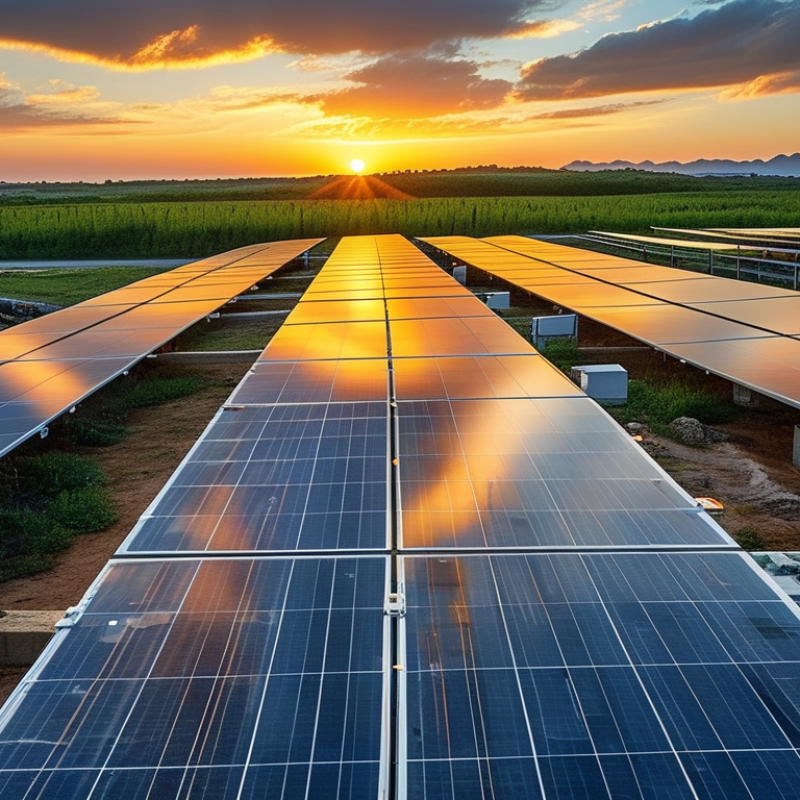
Transporting solar panels can be tricky. Best practices ensure safety and reliability. According to a report by the Solar Energy Industries Association, improper handling can cause damage. About 10% of panels are compromised during transport.
Wrap panels in protective materials. Use thick blankets or custom foam. Secure them tightly to prevent shifting. Transport vehicles should have a flat surface to support panels evenly, reducing stress and minimizing breakage risk.
Monitor temperature. Solar panels can become brittle in extreme cold. In contrast, heat can warp the materials. Checking environmental conditions before transport is essential. Training staff on these essential practices can lead to fewer damages. Ultimately, proper preparation reflects professionalism in the solar industry.
Choosing the right packaging materials for solar panel transportation is crucial for ensuring their safety. Quality packaging can prevent breakage during transit. Consider using wooden crates or padded containers. These materials offer robust protection against impacts. Corrugated cardboard is also a good option for lightweight panels. It provides cushioning while being cost-effective.
Tips: Always double-check the specifications of the packaging. It should fit snugly around the panels. Make sure there is no empty space inside. This prevents movement during transport. Additionally, label the packages clearly. Indicate "Fragile" in bold letters to alert handlers about the contents.
Using protective films can reduce the risk of scratches on the surface. These films should be applied tightly but not overly so, to avoid residue. Test different materials to find the best combination for your panels. It's essential to find a balance between safety and cost. Remember that failure to protect panels can lead to significant losses.
Transporting and installing solar panels requires careful planning. Panels are delicate and must be handled gently to prevent damage. Securely packing them is crucial. Use foam, bubble wrap, or specialized boxes to cushion the panels. This prevents scratches and breakage during transit. Ensuring proper stacking is essential. Never place heavy items on top, as it can lead to cracks or warping.
During loading and unloading, use appropriate gear like dollies or forklifts. Avoid dragging panels; this can cause unseen damage. Clear pathways are important. Remove obstacles to prevent accidents. Have trained personnel handle the panels. Their experience can minimize risks. Communication among team members also plays a key role.
Once on-site, inspect each panel for damage. Engaging a professional for installation may sound costly, but their expertise can save you from future problems. It's important to review installation guidelines carefully. Many overlook the specifics, leading to faulty setups. Always double-check connections and mounts. This ensures longevity and efficiency in energy production.
Installing solar panels safely requires careful planning and adherence to key safety protocols. When working on rooftops, it’s essential to assess the structure’s integrity before starting. A weak roof can lead to serious accidents. Ensure that you have the right tools and materials on hand. This minimizes delays, which can compromise safety.
Personal protective equipment (PPE) is crucial. Wear helmets, gloves, and non-slip footwear to prevent falls and injuries. Use harnesses and lifelines when working on steep or high roofs. It's often easy to underestimate the risks, but the consequences can be severe. Regularly check your equipment for wear and tear. Faulty tools can lead to accidents, neglecting safety protocols is a mistake many make.
Proper lifting techniques are vital when transporting solar panels. Ensure that multiple people are involved in lifting heavy panels. This teamwork reduces strain and increases safety. Take breaks to assess both the physical condition of the workers and the environment. Distractions can lead to mistakes. Monitoring weather conditions is necessary. Rain or wind can create hazards that make it unsafe to proceed.
| Safety Protocol | Description | Importance | Frequency |
|---|---|---|---|
| Personal Protective Equipment (PPE) | Wearing helmets, gloves, and safety harnesses. | Essential for worker safety. | Always |
| Safe Lifting Techniques | Using proper body mechanics when lifting panels. | Prevents injuries. | Always |
| Proper Transport of Panels | Using padded straps and protective cases. | Minimizes damage during transport. | Always |
| Ladder Safety | Ensuring ladder stability before climbing. | Reduces fall risk. | Always |
| Electrical Safety | Disconnecting power sources before installation. | Prevents electrical hazards. | Always |
| Weather Considerations | Avoiding installation in high winds or storms. | Ensures safety and efficiency. | Project-based |
Proper installation of solar panels is crucial for maximizing efficiency and longevity. Utilizing professional installation services can significantly reduce risks associated with solar panel setup. According to a report by the National Renewable Energy Laboratory, professionally installed systems can enhance energy production by up to 15%. This is due to expert knowledge in site assessment, optimal angle determination, and effective wiring.
Hiring professionals also opens access to modern techniques. Installation teams are trained in safety protocols, minimizing the chance of accidents. According to industry data, accidents during DIY installations happen 20% more often than when professionals handle setup. This reinforces the importance of expert installation for both safety and performance.
Tip: Ensure the installer provides clear documentation of their certifications. These credentials demonstrate their expertise and adherence to industry standards. Taking this step adds an extra layer of reliability to your solar investment.
While DIY can be tempting, the complexities of installation shouldn’t be underestimated. An improperly installed system may lead to reduced energy output. Understanding your limits is key. Investing in a professional can save money in the long run through enhanced efficiency and safeguarding your equipment.
: Wrap panels in thick blankets or custom foam. Secure them tightly to avoid shifting.
It should be flat to support panels evenly. This minimizes stress and reduces the chance of breakage.
Extreme cold can make panels brittle. Heat may warp materials. Monitor temperature closely.
Use wooden crates or padded containers. Corrugated cardboard is good for lightweight panels.
Label them "Fragile" in bold letters. This alerts handlers to take special care.
Wear helmets, gloves, and non-slip shoes. Harnesses are necessary on steep roofs.
A weak roof can cause serious accidents. Always ensure it is safe before beginning work.
Involve multiple people when lifting heavy panels. This teamwork helps prevent injuries.
Distractions can lead to mistakes. Always stay focused and take breaks when needed.
Monitor weather closely. Avoid work during rain or high winds to maintain safety.
In the process of learning how to transport and install solar panels safely, it's essential to follow best practices for handling and packaging. Proper handling techniques can significantly reduce the risk of damage during transit, while selecting appropriate packaging materials ensures that solar panels remain intact. Securing panels effectively during transportation is also crucial to prevent any movement that could lead to breakage.
When it comes to installation, adhering to key safety protocols is vital, especially when working on rooftops. Utilizing professional installation services can provide numerous benefits, including expert knowledge and adherence to industry safety standards. By understanding how to transport and install solar panels safely, individuals can ensure not only the protection of the equipment but also the safety of those involved in the installation process.

Smart Energy