Solar energy is a growing field, prompting many to ask: can solar panels work without direct sunlight? The short answer is yes, but understanding the nuances is vital. Solar panels can still generate electricity in shaded or indirect sunlight conditions. However, their efficiency drops significantly compared to full sun exposure.
When installed in shaded areas, various factors come into play. The type of solar panels and their design can affect performance. For instance, some panels are more tolerant of partial shade than others. Additionally, the amount of sunlight and duration of the shade can lead to fluctuating energy output.
Yet, many still underestimate the challenges. Even under ideal conditions, reliance on indirect sunlight can lead to inconsistent energy production. Homeowners may experience unexpected energy shortages. Investing in solar technology requires careful consideration of location and environmental factors. Solar energy systems offer potential, but understanding how they work in less-than-perfect conditions is crucial for effective planning.
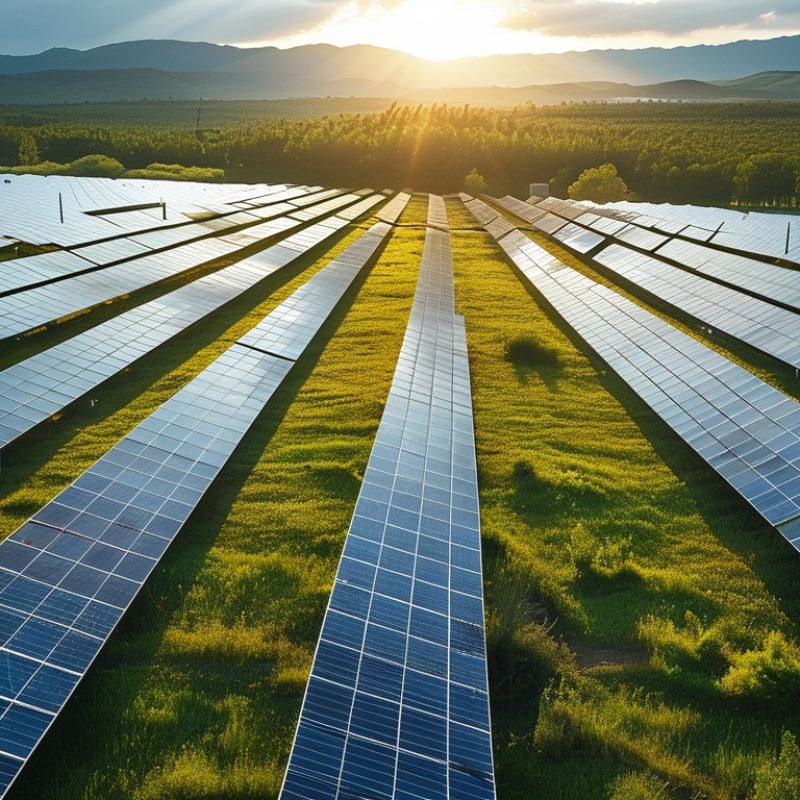
Solar panels are typically known for their efficiency in direct sunlight, but they can still function in shade and indirect sunlight. While performance decreases, some energy production occurs even with limited light. This is often due to diffused sunlight that can penetrate through clouds or trees. Understanding how these panels operate in different lighting conditions is essential for choosing the right setup for your home.
Before investing in solar panels, consider the layout of your property. Trees and buildings can cast shadows that hinder panel efficiency. One effective tip is to conduct a shade analysis throughout the day. This helps identify peak sunlight hours and areas needing trimming. If significant shade exists, consider using microinverters or power optimizers. These technologies can maximize efficiency, even in shaded conditions.
Additionally, regular maintenance is crucial. Dirty or debris-covered panels can significantly reduce energy absorption. Make a habit of cleaning the panels regularly. Inadequate sunlight can lead to lower energy yields, which might not meet your needs. Reflecting on your energy consumption and panel placement can lead to better solutions. Planning for potential shade will keep your solar investment productive in the long run.
Shade significantly impacts solar panel efficiency and energy production. Studies show that even partial shading can lead to a reduction of up to 80% in energy output. According to the U.S. Department of Energy, solar arrays can lose substantial performance in different shading conditions. A shaded solar panel can create a mismatch, leading to hotspots that damage the panels over time.
The orientation and angle of solar panels also play crucial roles. In areas with frequent shade from trees or buildings, it can be challenging to achieve optimal energy production. Research indicates that positioning solar panels in direct sunlight for most of the day can maximize efficiency. However, in shaded environments, alternative solutions such as microinverters or power optimizers can improve performance.
Not every location is suited for solar energy production. Homeowners should conduct thorough site assessments. Understanding the level of shade throughout the day helps in making informed decisions. While it's possible to generate some energy in these conditions, the efficiency will not compare to fully sunlit installations. This reflection highlights the need for better planning and adaptation when considering solar energy solutions.
Solar panels can indeed harness energy in shade and indirect sunlight, but their efficiency varies. Different types of solar panels react differently when not exposed to direct sunlight. For instance, monocrystalline panels tend to perform better under partial shading conditions compared to their polycrystalline counterparts. This is due to their higher efficiency and design that allows them to capture more light even in less-than-ideal conditions.
Bifacial solar panels are another option. These panels can absorb sunlight from both sides. They can utilize reflected light, enhancing their performance in shaded areas. However, the effectiveness of these panels significantly depends on their installation site. A space surrounded by trees or tall buildings may limit their efficiency. Even with advanced technology, achieving optimal performance can be challenging.
It’s crucial to evaluate your specific situation before investing. Shade from nearby structures or trees can lower energy production. Consider making adjustments like trimming trees. Also, exploring different panel types can lead to better results in less sunlight. But, the reality is, not all solutions work for everyone. Understanding the limitations and available technology is essential for making informed decisions.
| Type of Solar Panel | Performance in Shade (%) | Performance in Indirect Sunlight (%) | Ideal Use Case |
|---|---|---|---|
| Monocrystalline | 80% | 90% | Residential rooftops with partial shade |
| Polycrystalline | 70% | 75% | Larger installations with variable light conditions |
| Bifacial | 85% | 88% | Ground-mounted systems with reflective surfaces |
| Thin Film | 60% | 65% | Commercial rooftops or shaded applications |
Many homeowners wonder about solar panels' effectiveness in shaded areas. While full sunlight maximizes energy production, strategies exist to enhance performance in less-than-ideal conditions.
One key aspect is the use of microinverters. These devices optimize energy production for individual panels. They work efficiently even when some panels are shaded. This technology allows for better performance compared to traditional string inverters, which can be severely limited by one shaded panel.
Solar panels are often associated with bright, direct sunlight. However, they can still function in shade and indirect sunlight. Many real-world applications demonstrate their effectiveness, even when conditions are less than ideal.
In urban settings, buildings can create shadows that limit direct sunlight. Some installations have successfully harnessed solar energy despite being partially shaded by taller structures. A case study in a metropolitan area showed that panels could generate 30% of their rated capacity in shaded conditions. This result highlights the potential for solar energy in cities where direct sunlight is limited.
Farmers have also begun to explore solar panels in shaded environments. For instance, panels installed on barns have proven useful. They provide energy while protecting crops underneath from harsh sunlight. This dual-purpose approach is intriguing but not without problems. Light conditions change throughout the day, leading to fluctuating energy outputs. System performance in variable lighting conditions requires careful planning and adjustment. The right technology can make these installations efficient, but ongoing maintenance is essential for peak performance.
This chart illustrates the efficiency of solar panels in varying conditions of sunlight – full sun, partial shade, and heavy shade. The data represents the average output (in watts) of solar panels under these conditions based on real-world applications.
: Yes, solar panels can still produce energy in shade, though efficiency decreases.
Indirect sunlight reduces energy output. However, some energy production still occurs due to diffused light.
Assess your property layout. Trees and buildings can block sunlight and reduce efficiency.
A shade analysis identifies shaded areas and peak sunlight times to optimize panel placement.
Microinverters and power optimizers help boost performance when panels are partially shaded.
Regular cleaning is important. Dirt and debris can significantly reduce energy absorption.
Yes, monocrystalline panels typically perform better in partial shade compared to polycrystalline panels.
Bifacial panels capture light from both sides and can utilize reflected light, enhancing performance.
Consider energy consumption and potential shade, as it affects energy production needs.
Yes, improper placement or significant shading may lead to lower energy yields.
The article "Can Solar Panels Work in Shade and Indirect Sunlight?" explores the functionality of solar panels under various lighting conditions. It emphasizes that while solar panels can indeed generate electricity without direct sunlight, their efficiency is significantly affected by shade and indirect lighting. This is analyzed through the impact of shading on energy production, alongside the different types of solar panels that may perform better in such conditions.
Moreover, the article discusses practical strategies to optimize solar panel performance in shaded environments, offering insights and case studies that illustrate successful implementations. By understanding these factors, homeowners and businesses can make informed decisions about solar panel installation and usage, ensuring effective energy production even when direct sunlight is limited.
Smart Energy